 11
11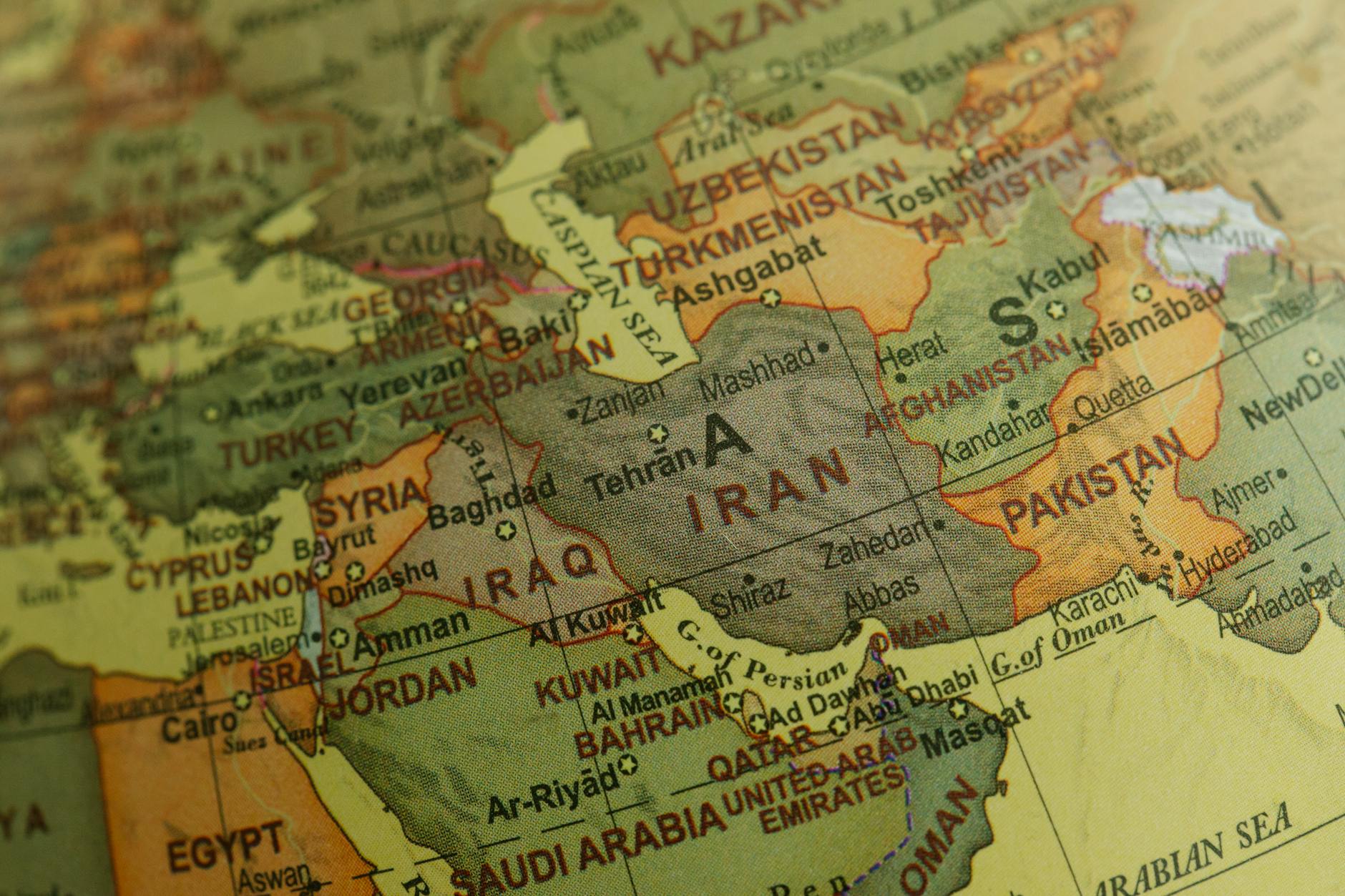
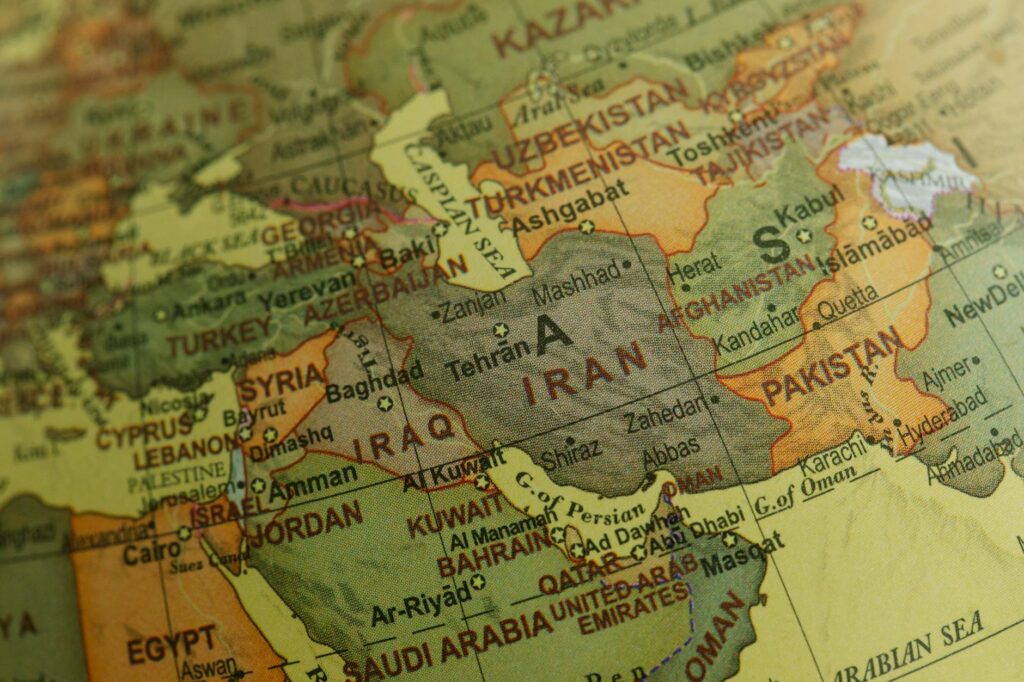
The Trump administration embarked on a distinctive and high-stakes foreign policy approach towards Iran, characterized by a comprehensive campaign of economic pressure and diplomatic isolation. This strategy, initiated following the U.S. withdrawal from the Joint Comprehensive Plan of Action (JCPOA) in May 2018, was widely perceived by analysts and international observers as implicitly, if not explicitly, aiming for Iranian regime change. The United States government justified its actions by citing Iran’s ballistic missile program, its regional proxy activities, and its human rights record, seeking to compel a fundamental shift in Tehran’s behavior. However, the intensity and breadth of the sanctions indicated a more ambitious objective: to exert sufficient pressure to destabilize the existing political order within Iran. This bold redirection in U.S. foreign policy has significantly escalated tensions across the Middle East, fundamentally altering the geopolitical landscape and posing considerable questions about stability in an already volatile region. The administration positioned this strategy as a necessary recalibration after what it viewed as the failures of previous diplomatic engagements, particularly the nuclear deal.
The core of this policy involved the re-imposition and expansion of stringent sanctions targeting Iran’s vital oil exports, financial institutions, and key sectors of its economy. The objective was to cut off the Iranian government’s revenue streams, thereby limiting its capacity to fund its regional ambitions and internal operations, ultimately aiming to foster conditions that could lead to Iranian regime change. This approach represented a profound departure from the multilateral engagement favored by European allies and previous U.S. administrations, choosing unilateral economic warfare as the primary tool. The consequences of this strategy have been far-reaching, impacting not only Iran’s economy but also international trade, energy markets, and the intricate balance of power among regional actors.
The “maximum pressure” campaign implemented by the U.S. sought to cripple Iran’s economy, forcing concessions or, for some proponents, leading to the collapse of the Islamic Republic. Sanctions targeted Iran’s central bank, its national oil company, and key individuals, aiming to eliminate Iran’s ability to sell oil and access the international financial system. This comprehensive economic blockade led to significant depreciation of the Iranian rial, soaring inflation, and widespread economic hardship for the Iranian populace. While the administration maintained that its goal was merely a change in behavior, many critics and even some within the U.S. government acknowledged that the scale of the pressure pointed towards a more ambitious desire for Iranian regime change. International Monetary Fund reports indicated a severe contraction of the Iranian economy, with oil exports plummeting drastically. Despite the economic strain, the Iranian government demonstrated resilience, often escalating its own regional activities in response to the pressure, including attacks on shipping in the Gulf and increased uranium enrichment beyond the limits of the JCPOA, further complicating the international security environment.
The pursuit of Iranian regime change, whether directly stated or indirectly implied, carries immense geopolitical implications and risks. Historically, external attempts at regime change have often resulted in unintended consequences, including prolonged instability, civil conflict, and the rise of new, equally challenging actors. In the context of the Middle East, a destabilized Iran could unleash a torrent of unpredictable events, affecting global oil supplies, refugee flows, and regional power dynamics. U.S. allies in Europe often expressed concerns that the “maximum pressure” campaign undermined the JCPOA, a deal they viewed as crucial for preventing Iran from developing nuclear weapons, and worried about the potential for military confrontation. Regional adversaries of Iran, such as Saudi Arabia and Israel, generally supported the U.S. stance, viewing Iran as a primary threat to their security interests. However, even within these countries, there was an underlying apprehension regarding the potential for an outright conflict. The strategy has created a deeply polarized international response, highlighting the complex and perilous nature of attempting to reshape the political structure of a sovereign nation, especially one with significant regional influence like Iran. The path forward for U.S. policy, particularly concerning the ultimate objective of Iranian regime change, remains fraught with uncertainty and profound challenges for regional and global stability.
Image by: Lara Jameson
https://www.pexels.com/@lara-jameson