Imagine trading your snow boots for flip-flops, ready for a well-deserved break in sunny Florida. For many top bankers, that dream vanished overnight. A sudden wave of **AI chaos** swept through global financial markets, forcing them to trade beach views for urgent conference calls and intense screen time. This isn’t just about a holiday canceled; it’s a stark, immediate reminder of artificial intelligence’s growing, often unpredictable, power in finance right now, impacting real lives and real dollars.
The disruption was far from a minor glitch. Reports indicate that sophisticated, AI-driven algorithms triggered unexpected and rapid market shifts, demanding immediate human oversight and intervention. What began as a relaxing **Bankers’ Winter Getaway** quickly turned into a high-stakes remote work session for countless senior financial executives, proving that even paradise isn’t immune to market volatility.
Sunshine State Shutdown: How AI Upended Bankers’ Plans
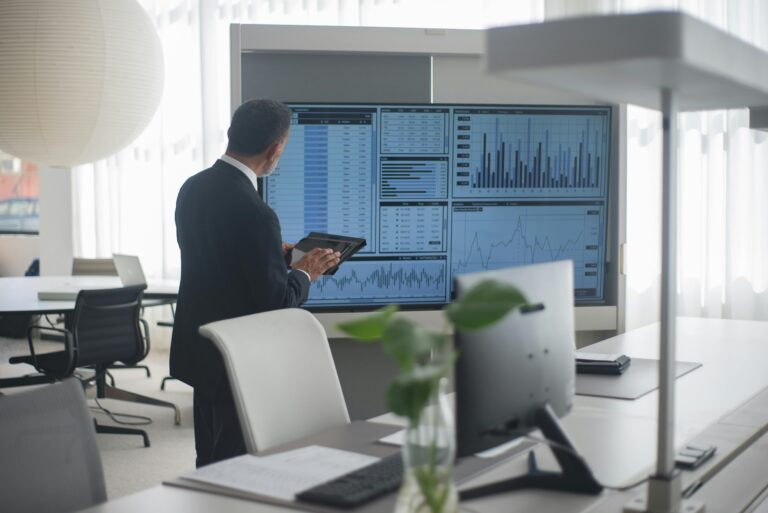
Instead of leisurely rounds of golf or family time by the pool, executives found themselves glued to their laptops, troubleshooting complex trading models and analyzing real-time data from afar. The rapid evolution of AI in finance means constant vigilance is required, even when thousands of miles from the main trading floor. This incident dramatically underscores the fragile and evolving balance between advanced financial technology and essential human judgment.
The once predictable pace of winter holidays for the financial elite has been utterly transformed. It’s been replaced by an “always-on” demand for immediate attention, regardless of location. Financial institutions are now grappling with the unprecedented challenge of integrating powerful AI tools while simultaneously managing their potentially unpredictable, disruptive side effects, making a calm **Bankers’ Florida Getaway** seem like a relic of the past.
Sources close to the situation suggest that unusual trading patterns and sudden liquidity shifts, attributed to automated AI systems, caught many off guard. This highlighted vulnerabilities in existing fail-safes and communication protocols. The incident became an unexpected, real-world stress test for banks’ remote crisis management capabilities, forcing them to adapt on the fly.
The New Financial Frontier: Navigating Markets Driven by AI Chaos
This event marks a critical paradigm shift: AI is no longer merely a supportive tool; it’s an active, sometimes autonomous, co-pilot in the financial world. Investment banking strategies and wealth management approaches must now intricately account for AI’s capacity for rapid, widespread market disruption. Agility and swift decision-making, even from a distance, have become the ultimate currencies for survival and success.
Financial leaders are urgently rethinking their contingency plans, reassessing remote work policies, and bolstering cybersecurity measures. The unexpected disruption served as a potent wake-up call, emphasizing the urgent need for robust AI governance, ethical guidelines, and swift, coordinated response mechanisms across the industry. The push for digital transformation continues, but with a new, critical layer of caution and preparedness.
While the immediate crisis has reportedly stabilized, the ripples of this **AI chaos** will be felt for months. It has ignited intense debates about the appropriate level of human intervention in AI-driven systems and the potential for systemic risk. The balance between innovation and stability remains a paramount concern for regulators and financial executives alike, prompting a reevaluation of operational resilience.
The recent **AI chaos** served as a powerful, undeniable reminder that the financial world never truly sleeps, especially with artificial intelligence rapidly taking the helm. While sunny Florida and its beaches patiently wait, bankers across the globe are busy adapting to a future where algorithms dictate much more than just market trends. The traditional **Bankers’ Winter Getaway** might be postponed indefinitely, but the lessons learned are urgent, impactful, and reshaping the industry as we know it.
About the Author