 11
11
Today, global financial markets experienced a notable downturn as futures for major U.S. indices, including the Dow, S&P 500, and Nasdaq, registered declines. This immediate reaction was a direct consequence of Iran’s launch of missile strikes against targets in Iraq, which occurred in the early hours of the morning, intensifying geopolitical tensions in the Middle East. The strikes are understood to be a retaliatory measure, following prior warnings, and represent a significant escalation in the ongoing regional standoff.
Investors worldwide began the trading day assessing the implications of these military actions. The abrupt nature of the strikes, which reportedly targeted bases housing U.S. personnel, triggered a risk-off sentiment across asset classes. This rapid shift in investor confidence underpinned the broad decline observed in the stock market futures, as participants sought safer havens amidst the heightened uncertainty. The incident marks a critical development in the delicate balance of international relations, prompting concerns about potential further escalation and its broader economic ramifications.
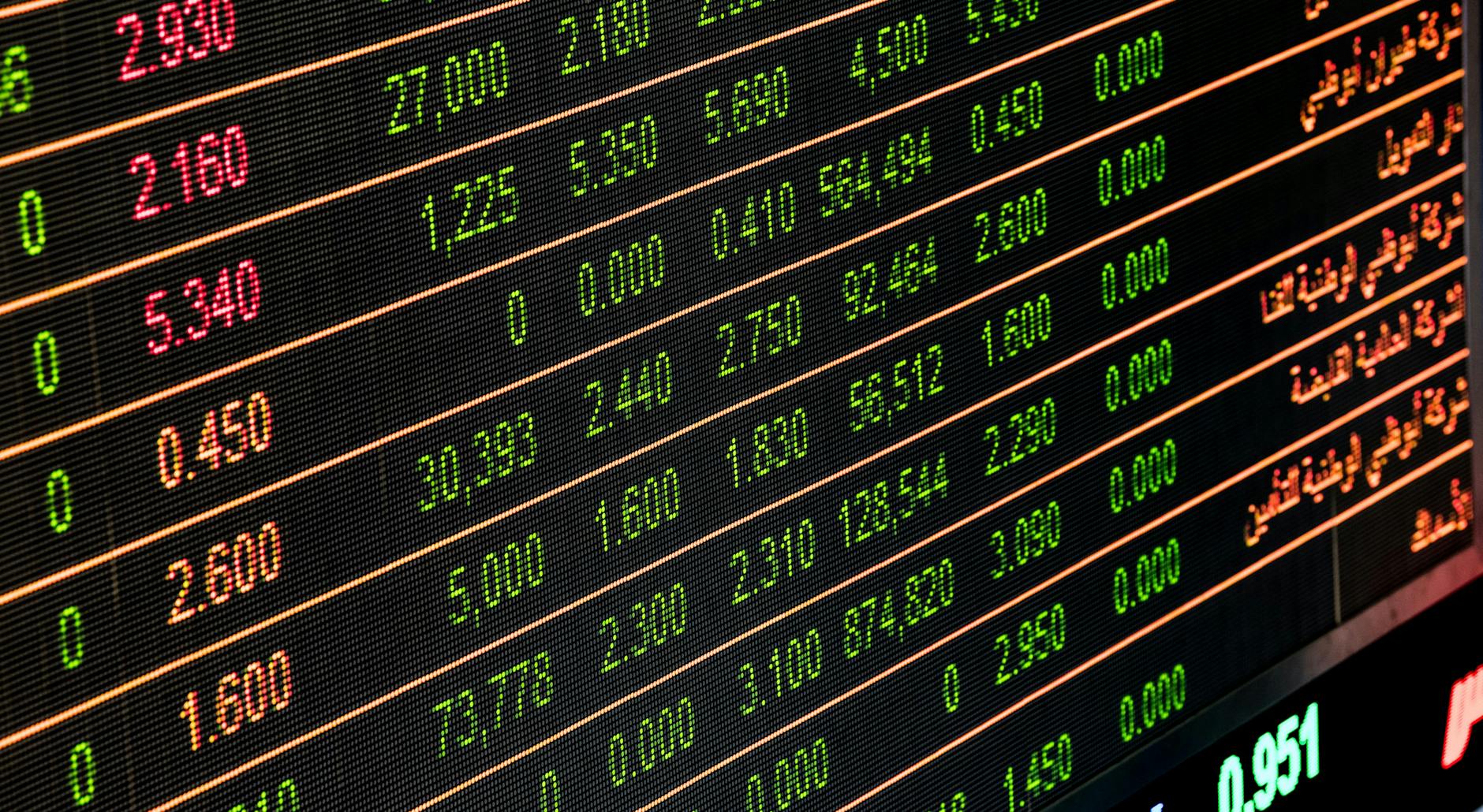
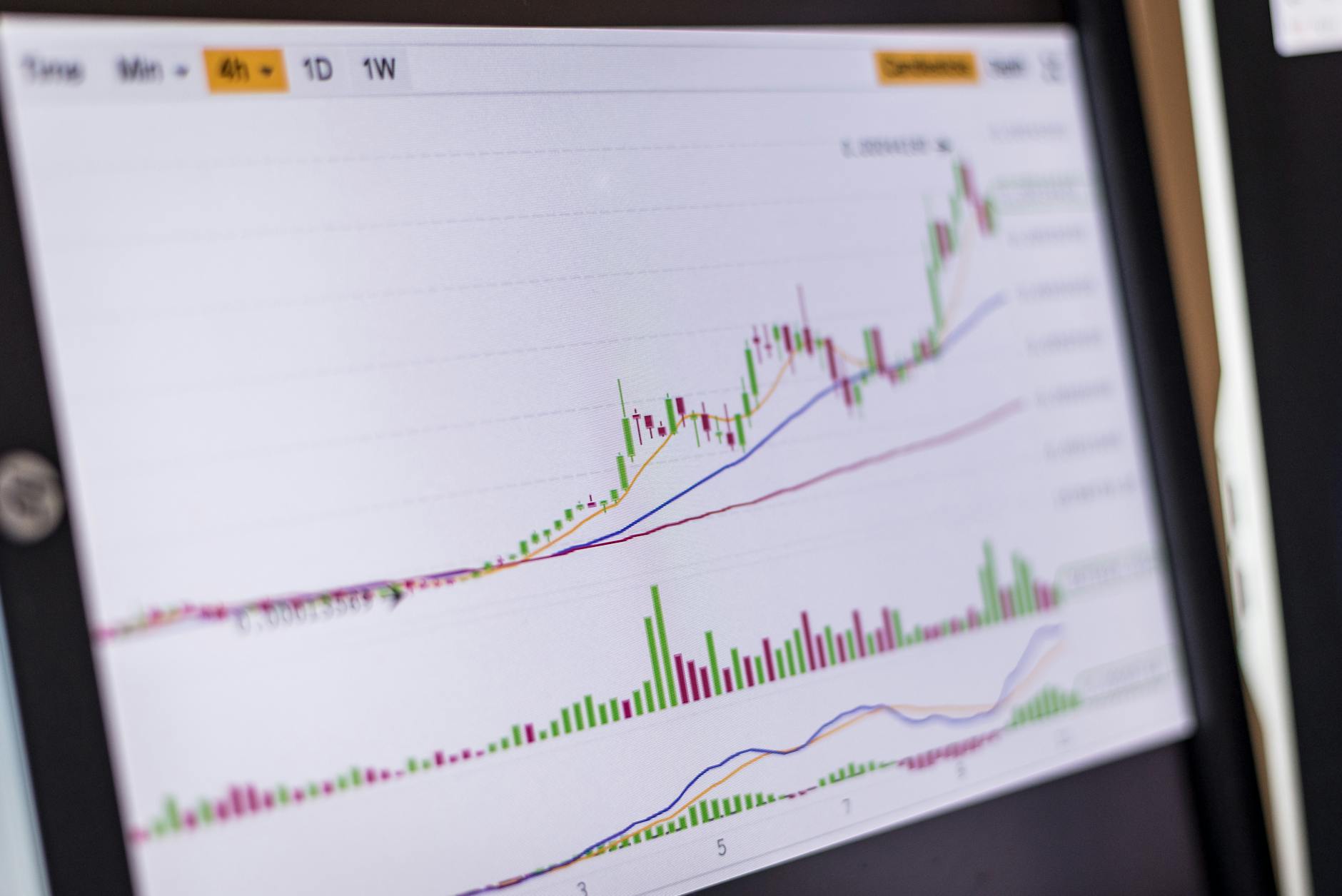
The initial response across the global stock market was characterized by significant volatility. Futures contracts tied to the Dow Jones Industrial Average, the S&P 500, and the Nasdaq Composite each experienced substantial percentage drops in pre-market trading, signaling a bearish open for the trading day. This swift negative adjustment reflected widespread investor apprehension regarding the stability of the global economy and the potential for disruptions to critical supply chains, particularly in the energy sector. The price of crude oil, for instance, surged sharply on the news, illustrating market participants’ expectations of supply concerns and potential regional conflict. Correspondingly, traditional safe-haven assets, such as gold and government bonds, saw an uptick in demand as investors moved to mitigate perceived risks. The immediate impact on the stock market underscored the sensitivity of financial instruments to geopolitical events, especially those involving major oil-producing regions and the intricate web of international trade. Businesses with significant operations or supply chain dependencies in affected areas may face additional scrutiny from investors, contributing to overall market cautiousness.
The current market instability is deeply rooted in the escalating geopolitical tensions between the United States and Iran. The recent Iranian missile strikes followed a period of heightened rhetoric and military actions, culminating in the reported retaliation. This dynamic has created an environment of unpredictability, leading analysts to closely monitor developments for any signs of de-escalation or further military engagement. The prospect of prolonged instability in the Middle East raises significant concerns for global economic growth, energy security, and international trade, which are all vital components influencing investor confidence. For the stock market, this translates into increased risk premiums and a cautious approach from institutional and retail investors alike. While market reactions to such events can sometimes be short-lived, the duration and intensity of the current downturn will largely depend on how these geopolitical tensions evolve in the coming days and weeks. Investment strategies are being re-evaluated globally, with a focus on resilient sectors and assets that historically perform well during periods of uncertainty. The broad economic implications of such events often extend beyond immediate market shifts, potentially influencing long-term investment decisions and global financial stability as the broader stock market navigates these turbulent waters. Continued vigilance and a clear understanding of the evolving political landscape will be crucial for market participants.
Image by: Monstera Production
https://www.pexels.com/@gabby-k