 11
11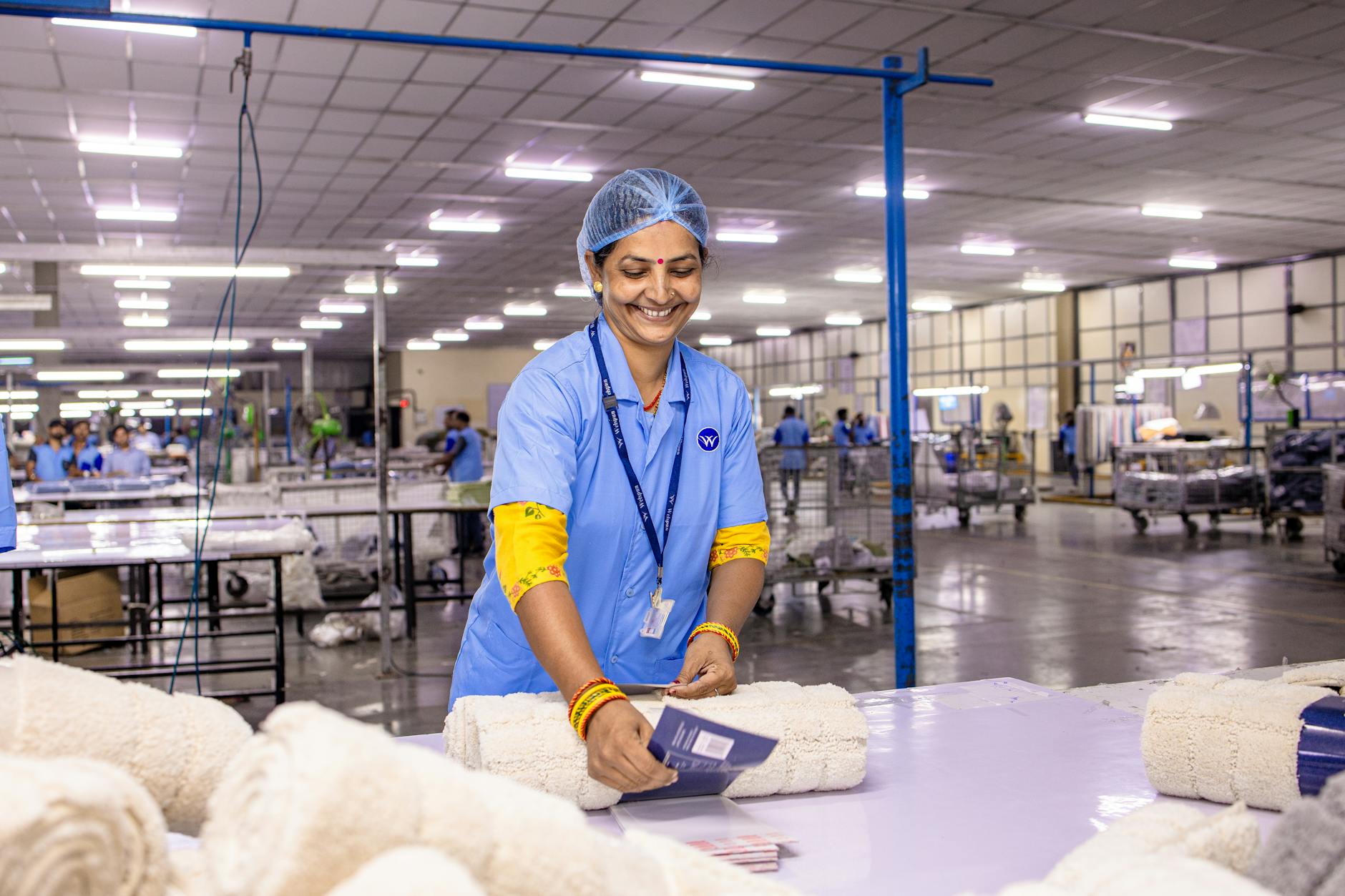
SK On, a leading global manufacturer of electric vehicle (EV) batteries, has recently undertaken a substantial workforce reduction, affecting approximately 1,000 employees at its production facility located within the United States. This significant development highlights the dynamic nature of the rapidly evolving battery manufacturing sector and represents a notable adjustment in the operational strategies of SK On. The layoffs mark a considerable change for the affected individuals and the broader community surrounding the plant, signaling a period of recalibration for the South Korean energy solutions provider in its American operations.
The decision by SK On impacts a considerable portion of its personnel at the US-based battery manufacturing site, which plays a critical role in the company’s global supply chain for electric vehicle components. These facilities are instrumental in meeting the increasing demand for EV batteries and supporting the automotive industry’s transition towards electrification. Operating a large-scale plant in the United States positions companies like SK On to leverage local talent and contribute to domestic manufacturing capabilities, often driven by incentives and strategic partnerships within the region. The specific plant, while not detailed in this initial information, is a key component of the company’s broader investment in North American production capacity, aimed at serving major automotive clients.
While the precise motivations behind this specific workforce adjustment by SK On have not been fully detailed, such decisions in the manufacturing sector are typically influenced by a confluence of factors. These can range from market demand fluctuations for specific battery types, ongoing efforts to enhance operational efficiency, or strategic re-evaluations of production schedules and technological roadmaps. The fast-paced environment of battery technology development often necessitates adjustments in manufacturing processes and staffing to align with evolving product specifications and production targets. Companies often conduct regular assessments of their operational footprint to ensure alignment with both current market realities and future strategic objectives.
The reduction of approximately 1,000 positions at the US battery plant operated by SK On underscores the commercial realities faced by major industrial players. Workforce adjustments of this scale invariably have a profound impact on the lives of employees and their families, as well as on the economic fabric of the local areas where these plants are situated. Such events often lead to questions about job security within the high-tech manufacturing sector, even as the industry continues its overall expansion. Companies often provide support services during such transitions, aiming to assist affected employees in their career transitions. The long-term implications for the specific community where the plant is located will depend on various factors, including the availability of alternative employment opportunities and the broader economic resilience of the region. This development reflects the ongoing need for adaptability in a sector characterized by significant capital investment and continuous innovation.
The electric vehicle battery industry is a highly competitive and capital-intensive arena, with global players like SK On vying for market share and technological leadership. Establishing and maintaining large-scale manufacturing facilities, particularly in strategic regions like the United States, requires substantial investment and a keen understanding of global supply chain dynamics. The industry is continually challenged by the need for cost reduction, performance improvement, and the development of next-generation battery technologies. Furthermore, geopolitical considerations and trade policies can influence production strategies and workforce planning. Companies must navigate these complexities while striving to meet the burgeoning demand for sustainable energy solutions. The decision by SK On, therefore, should be viewed within this intricate global economic and technological context, where strategic adjustments are a regular feature of managing large-scale industrial operations to maintain competitiveness and responsiveness to market shifts.
Image by: EqualStock IN
https://www.pexels.com/@equalstock