 11
11
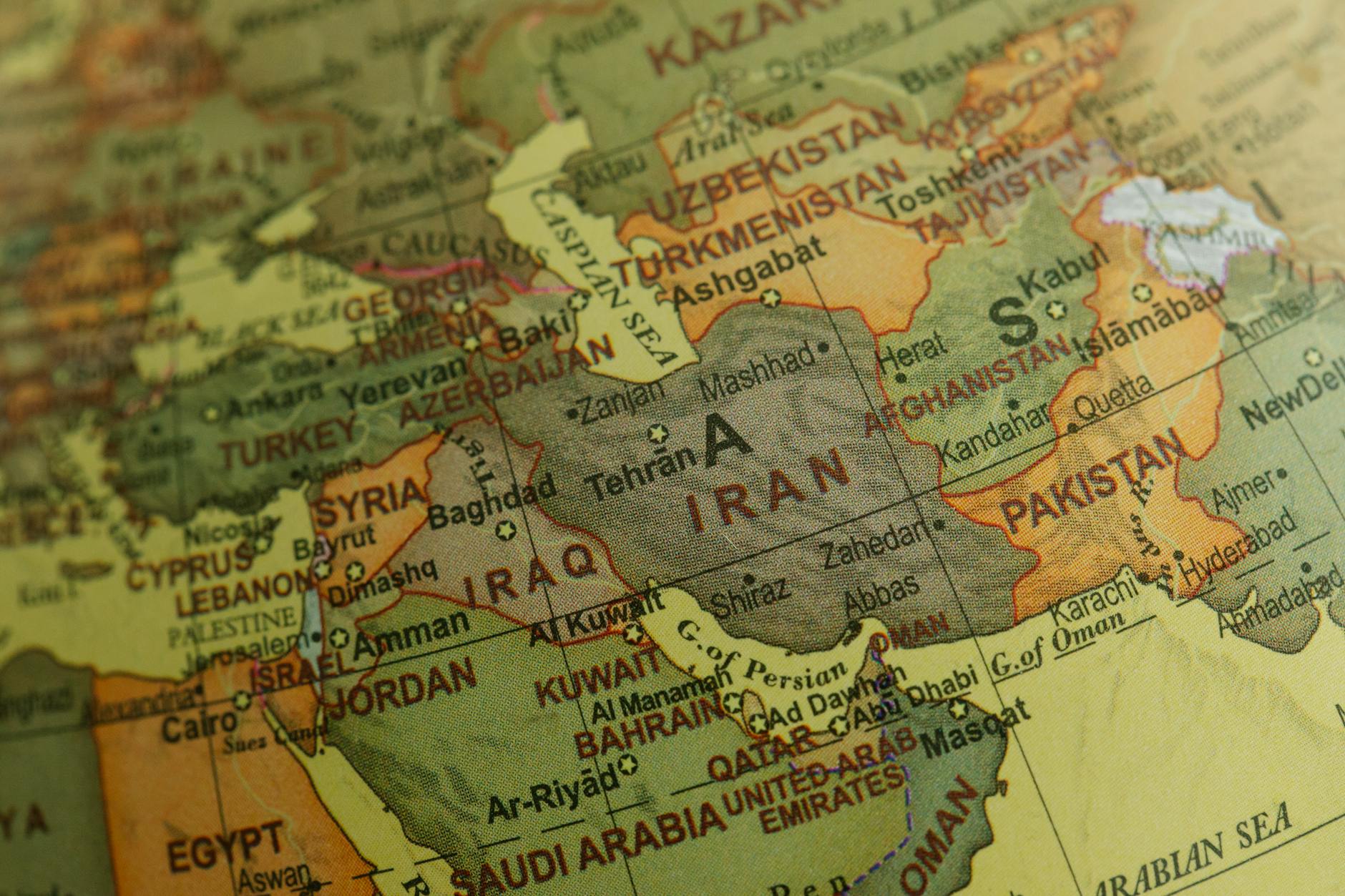
Residents across various regions of Iran are reporting a profound and distressing impact on their daily lives amidst ongoing US-Israeli strikes. The constant threat of conflict and the resulting instability have led many to describe a distorted sense of time, where each day feels elongated and fraught with anxiety. This pervasive sentiment reflects the significant psychological and practical challenges faced by the civilian population as geopolitical tensions escalate, often manifesting in targeted military actions that profoundly affect communities.
The current situation stems from complex regional dynamics and strategic confrontations involving the United States and Israel, which periodically extend into Iranian territory or affect Iranian interests. These strikes, often targeting infrastructure or sites perceived as threats, inevitably create a climate of fear and uncertainty for the populace. The cumulative effect of these actions means **Iranians under US-Israeli strikes** are grappling with more than just physical dangers; their routines, mental well-being, and future prospects are significantly altered by the persistent state of alert.
The poignant remark, ‘Every day feels like a month,’ encapsulates the severe psychological burden experienced by many **Iranians under US-Israeli strikes**. This feeling of temporal distortion is a common indicator of prolonged stress and trauma, as individuals navigate an environment where safety cannot be guaranteed. Daily activities, once mundane, become loaded with apprehension. Parents worry about their children’s safety at school, families reconsider travel plans, and the simple act of going to work or shopping can feel like a risky endeavor. The constant vigilance required to cope with potential threats erodes mental fortitude, leading to widespread reports of anxiety, sleeplessness, and a pervasive sense of helplessness. Aid organizations and local community leaders have observed an increase in stress-related health issues, highlighting the non-physical but equally devastating consequences of living under such persistent external pressures. The future appears uncertain for many, and the long-term mental health implications for an entire generation exposed to this environment are a growing concern.
Beyond the psychological impact, the daily practicalities of life for **Iranians under US-Israeli strikes** are significantly complicated. Infrastructure, vital for public services, can be damaged or its reliability compromised, affecting access to essential resources such as electricity, water, and communication networks. Economic activities also suffer profoundly. Businesses face disruptions, investments falter, and the overall economic stability of the nation is undermined. Supply chains are impacted, leading to shortages or price hikes for basic necessities, which further strains household budgets. For many families, merely affording food and shelter becomes a heightened challenge. The constant state of alert forces communities to adapt, often developing informal support networks, but these are rarely sufficient to address the scale of the challenges. The international community often focuses on the strategic implications of these strikes, but the lived reality on the ground reveals a struggle for normalcy and survival.
The enduring impact on **Iranians under US-Israeli strikes** underscores the profound human cost of geopolitical tensions. The collective experience of enduring a prolonged period of uncertainty and danger reshapes individual lives and societal structures. As international observers continue to monitor the evolving situation, the voices of those directly affected offer a critical perspective on the daily struggles and resilience demonstrated by a population living under extraordinary circumstances.
Image by: Ahmed akacha
https://www.pexels.com/@ahmed-akacha-3313934