 11
11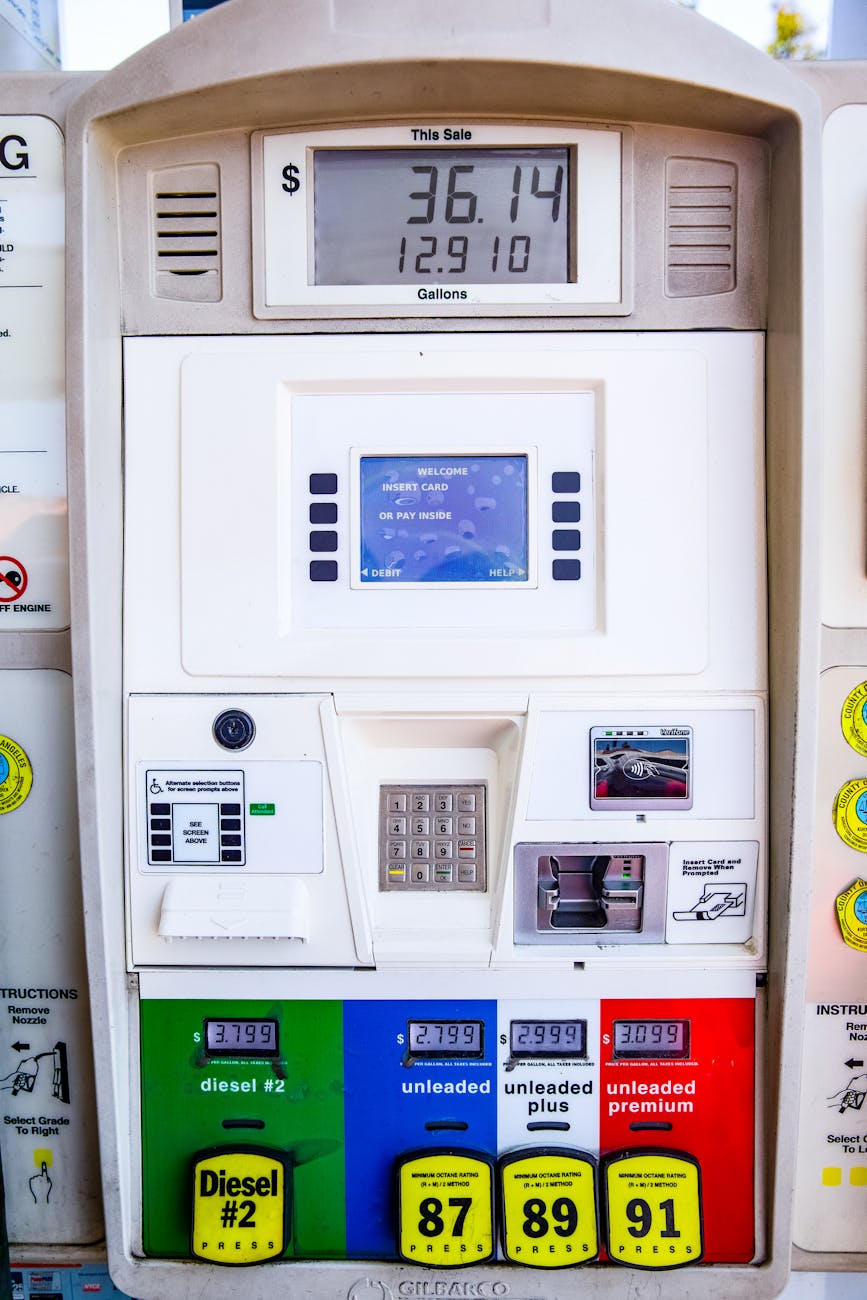
The Internal Revenue Service (IRS) has reported a significant increase in the average tax refund issued to American taxpayers in early March 2022, a development that coincides with escalating inflation and record-high gas prices across the United States. As of March 4, 2022, the average refund climbed to $3,473, marking an increase of over 13% compared to the same period in the previous year. This timely boost in financial returns presents a potential buffer for many households grappling with the current economic climate.
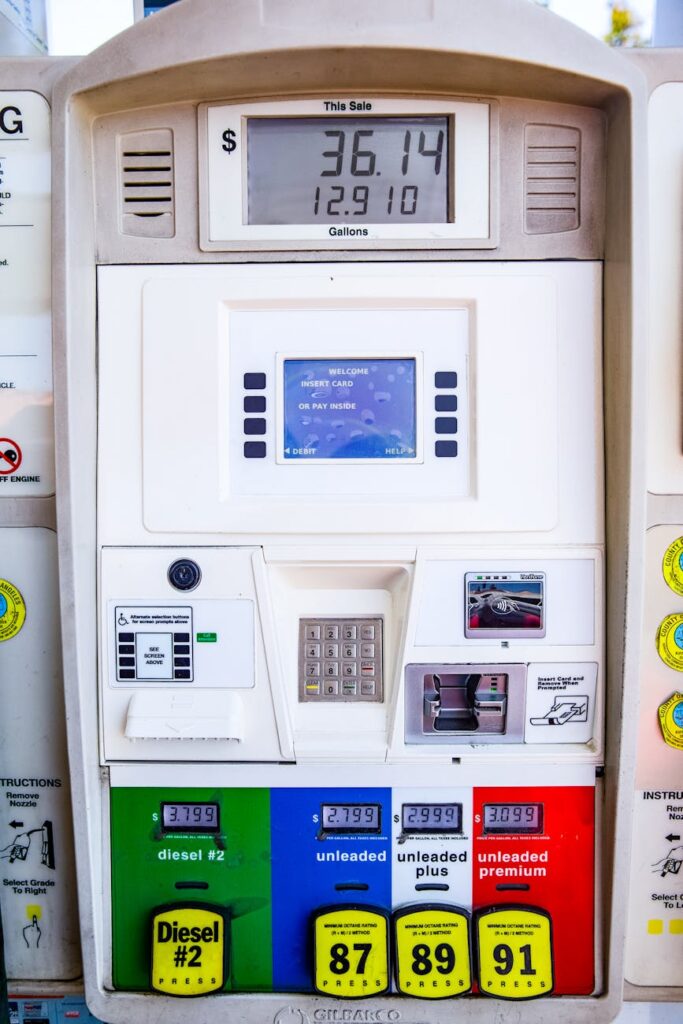
This surge in refunds arrives at a critical juncture for consumers nationwide. With gas prices hitting unprecedented levels, reaching an average of $4.17 per gallon nationally in the week prior to the report, and overall inflation at a 40-year high, these larger disbursements are seen as a much-needed injection of funds. The dramatic increase in fuel costs is primarily attributed to the ongoing global oil supply tightness exacerbated by Russia’s invasion of Ukraine, while broader inflation stems from a variety of supply chain and demand-side factors.
The influx of larger tax refunds provides a valuable opportunity for American consumers to manage the heightened cost of living. Many individuals and families are experiencing direct financial pressure from the surge in everyday expenses, particularly at the gas pump. According to Mark Steber, chief tax information officer at Jackson Hewitt, the timing of these larger refunds is opportune for consumers to address the higher prices they are encountering daily. This financial relief can be directly applied to mitigate the burden of increased gas expenses, offering immediate respite for those who rely heavily on personal transportation.
Beyond fuel costs, the additional funds from these refunds can also be allocated to other areas of financial strain. With increasing food prices, higher rental costs, and a general uptick in the price of goods and services, the enhanced returns offer financial flexibility. Consumers may choose to use these funds for essential living expenses, thereby freeing up other income that would otherwise be dedicated to these necessities. This adaptability is crucial in an economic environment where discretionary income is under significant pressure from inflationary forces.
In the broader economic context, the increased tax refunds serve as an important financial tool for households to navigate persistent inflationary pressures. While the immediate impact on gas prices is a primary concern for many, the strategic use of these funds can extend to improving overall financial health. Some taxpayers might opt to save their refunds, creating an emergency fund or bolstering existing savings. Others may prioritize paying down high-interest debt, which can improve their long-term financial stability and reduce future interest payments. The significant increase in these disbursements underscores a critical aspect of personal finance, offering a timely boost as individuals contend with an evolving economic landscape.
Image by: Ekaterina Belinskaya
https://www.pexels.com/@ekaterinabelinskaya