 11
11
A significant discussion has emerged in European football, focusing on the competitive standing of Real Madrid, Paris Saint-Germain (PSG), and Italian football clubs. The debate centers on which faces the most substantial challenges in the elite arena of the Champions League. Recent seasons have brought varying degrees of struggle and scrutiny, prompting a re-evaluation of their strategic directions in continental competition.
This inquiry into their predicaments stems from squad transitions, tactical inefficiencies, and the relentless evolution of top-tier football. For some, it signifies rebuilding; for others, a quest for elusive glory. The ‘why’ is multifaceted, rooted in financial strength, player recruitment, managerial stability, and adaptation to intense European competition.
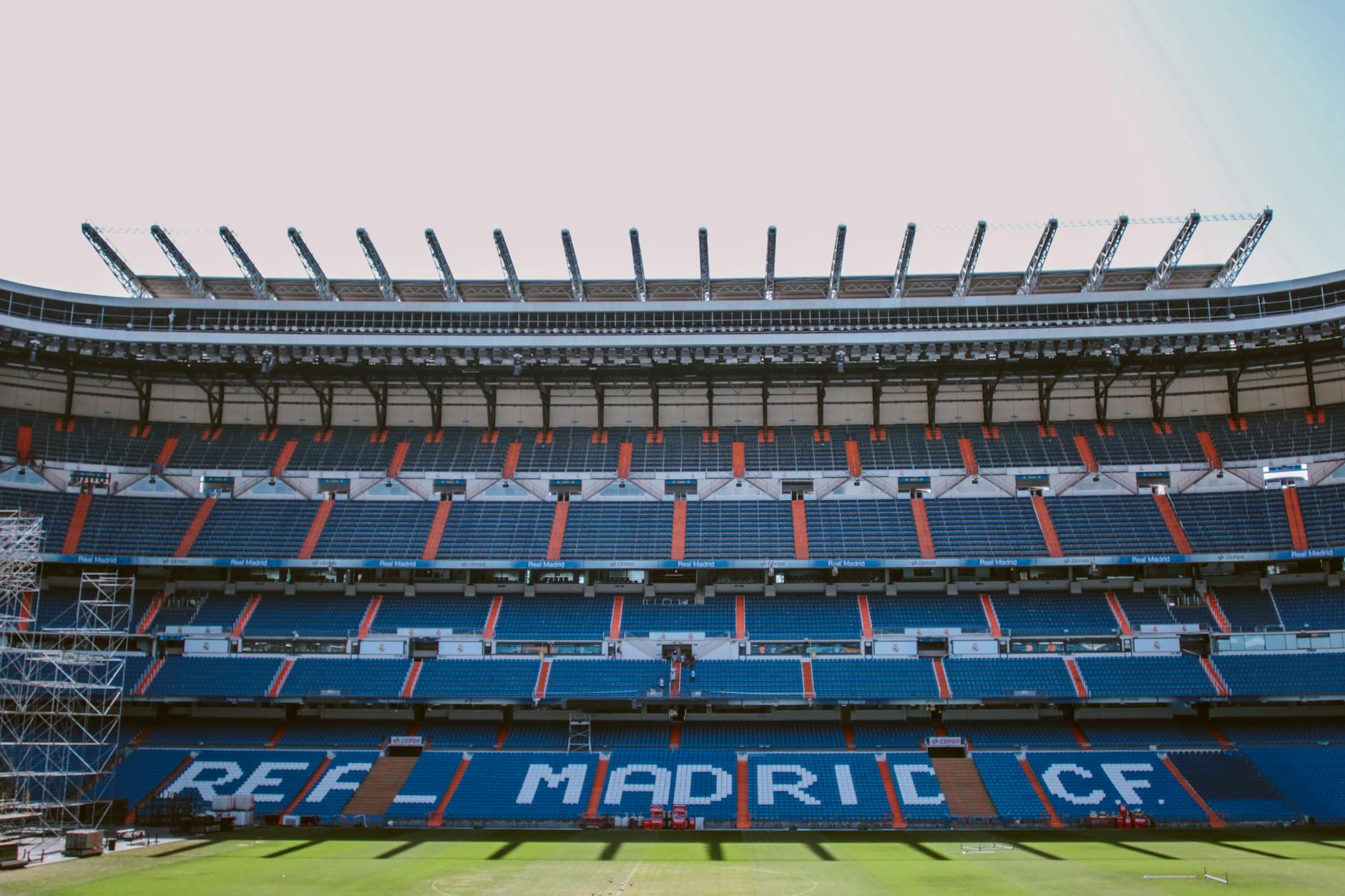
Real Madrid, historically synonymous with European success, is in transition. Following key departures and an aging core, the club balances experienced talent with new prospects. While their pedigree is undeniable, maintaining consistent dominance in European campaigns has become arduous. Competing at the highest level while rejuvenating the squad presents unique challenges.
Paris Saint-Germain pursues the ultimate European trophy, marked by substantial investment but persistent frustration. Despite a roster of world-class talent, PSG often falters in crucial knockout stages. Questions persist regarding team cohesion, tactical execution, and the immense pressure of continental aspirations. The narrative highlights a disconnect between individual brilliance and collective performance.
The state of Italian football in the Champions League presents a broader, more systemic challenge than the club-specific issues of Real Madrid and PSG. While individual Italian clubs have seen resurgence, the collective struggle to consistently reach latter stages points to deeper structural and financial disparities with other major European leagues. Competitiveness of Serie A clubs on the continental stage has been a concern.
Italian clubs face hurdles in retaining top talent, investing in infrastructure, and adapting to modern tactical trends for sustained European contention. Historically, defensive solidity sometimes comes at the expense of offensive dynamism needed to overcome Europe’s elite. Consequently, Italian clubs frequently encounter significant barriers in progressing deep into the competition, signaling strategic recalibration for the entire league.
Ultimately, the question of who is “worse off” among Real Madrid, PSG, and Italian football is complex, as each faces distinct adversities. Real Madrid is in a generational shift, striving to rebuild while contending for the sport’s most coveted prize. PSG grapples with unfulfilled expectations, needing to transform star power into a cohesive, trophy-winning unit in European competition.
Meanwhile, Italian football confronts a broader challenge of re-establishing its collective might on the European stage, requiring significant investment and strategic reform to compete consistently at the highest level. While specific predicaments differ, the overarching goal remains identical: to achieve sustained success and reassert dominance in the highly competitive environment of European club football. The journey for each entity continues to be closely watched in the Champions League.
Image by: Soccer Trippers
https://www.pexels.com/@soccer-trippers-2149979438