 11
11
The global financial landscape is perpetually shaped by geopolitical events, and potential conflicts, such as an “Iran War,” have profound implications for international trade and investment. Specifically, a potential Iran War supply disruption poses significant challenges for stock traders and investors worldwide. This guide aims to outline key considerations and strategic approaches for navigating the complex market environment that could arise from such a scenario. The insights presented herein focus on proactive measures and sector-specific analyses relevant to managing portfolios in times of heightened geopolitical risk, drawing upon general principles of market response to supply chain shocks.
This analysis focuses on the hypothetical market conditions anticipated around March 15, 2026, where a conflict involving Iran could trigger widespread disruptions. The primary impact would be felt across global commodity markets, shipping lanes, and manufacturing supply chains, necessitating a careful re-evaluation of investment strategies. Traders are urged to understand the multifaceted nature of these disruptions to safeguard assets and identify potential opportunities amidst the volatility.
A potential conflict involving Iran carries immediate and far-reaching consequences for global supply chains, primarily due to the region’s pivotal role in energy production and transit. The Strait of Hormuz, a critical chokepoint for a substantial portion of the world’s oil shipments, would become a central point of concern. Any curtailment or interruption of passage through this strait would inevitably lead to a sharp escalation in crude oil and natural gas prices. This initial shock would cascade through various sectors, increasing operational costs for industries reliant on stable energy prices, such as transportation, manufacturing, and petrochemicals. Furthermore, the ripple effect extends beyond energy. Supply chains for critical industrial metals, agricultural commodities, and even advanced technological components could face delays and increased costs due to disrupted shipping routes, higher insurance premiums, and general logistical complexities. The interconnectedness of global trade means that a localized geopolitical event like an Iran War supply disruption can quickly translate into global economic headwinds. Traders must therefore look beyond direct energy investments to understand the broader implications for international commerce.
In an environment marked by potential Iran War supply disruption, developing a resilient investment strategy becomes paramount for stock traders. Diversification across various asset classes and geographical regions is a foundational principle. While energy stocks might see initial surges, the volatility accompanying such a conflict necessitates a cautious approach. Investors might consider increasing exposure to sectors historically resilient to inflation and supply shocks, such as defense contractors or companies with robust, localized supply chains that are less dependent on international transit. Gold and other precious metals often serve as safe-haven assets during times of geopolitical uncertainty, providing a potential hedge against market downturns. Currency markets could also experience significant fluctuations, with major reserve currencies potentially strengthening against those of economies heavily reliant on affected supply routes. Furthermore, focusing on companies with strong balance sheets, low debt, and proven adaptability to logistical challenges can help mitigate risks. Monitoring geopolitical developments closely and adjusting portfolios dynamically will be crucial for navigating the market turbulence. The long-term implications of an Iran War supply disruption demand a strategic outlook that prioritizes capital preservation while selectively identifying opportunities in the shifting economic landscape. Prudent financial planning, coupled with a deep understanding of market dynamics, will empower traders to navigate these challenging times effectively.
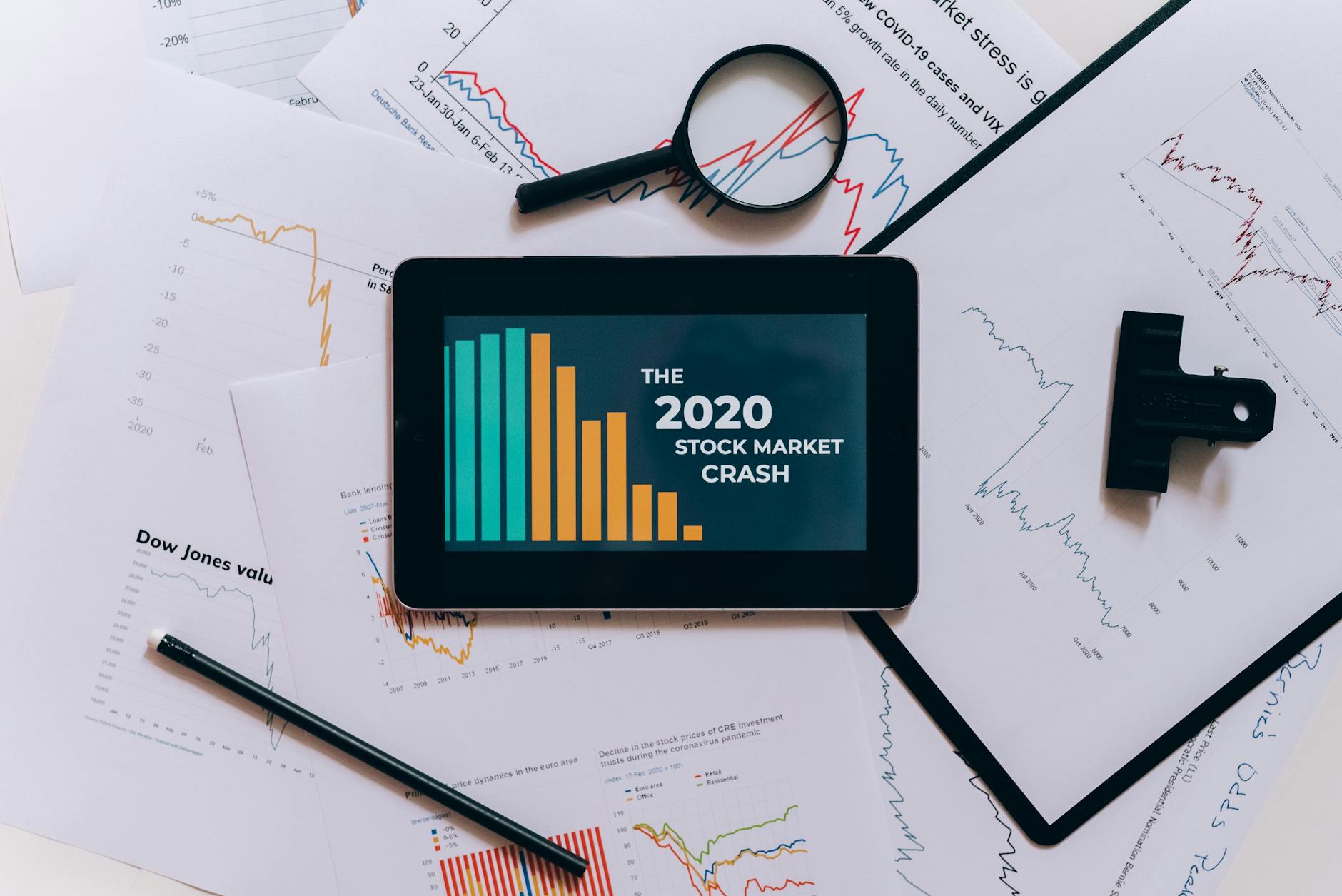
Image by: Vito Goričan
https://www.pexels.com/@vito-gorican-10954628