
 11
11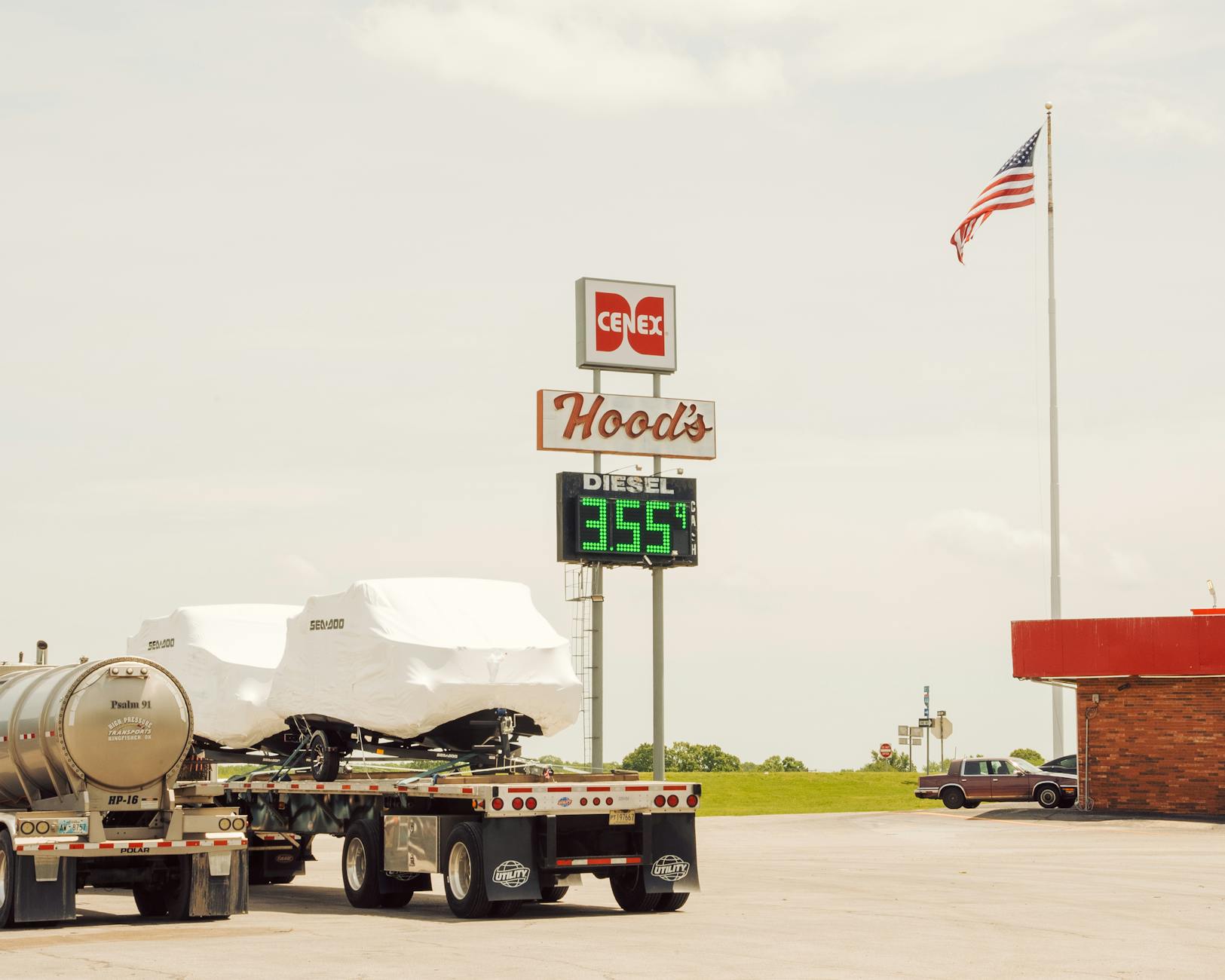
Global shipping powerhouses FedEx and UPS have recently announced significant adjustments to their pricing structures, implementing increases in their standard fuel surcharges and introducing new or heightened surcharges specifically for shipments destined for or originating from the Middle East. These changes, which have been communicated to customers, are a direct response to the escalating costs of fuel globally and the intensifying geopolitical landscape in the Middle Eastern region. The move affects a wide array of logistics operations, impacting businesses and consumers reliant on their extensive networks for parcel and freight delivery worldwide, ensuring that the operational realities of global events are reflected in shipping costs.
The decision by both carriers to elevate these charges stems primarily from the volatile nature of global oil markets, which directly influences their transportation expenses, and the heightened security and operational complexities presented by ongoing tensions, notably in the context of the Iran conflict. By adjusting FedEx, UPS fuel fees and introducing targeted regional surcharges, the companies aim to offset the increased operational expenses associated with fluctuating energy prices and the additional risks and logistical challenges inherent in navigating affected territories. This strategic pricing modification underscores the continuous need for large-scale logistics providers to adapt swiftly to external economic and geopolitical pressures to maintain service reliability and financial viability.
Both FedEx and UPS operate on a comprehensive pricing model that includes a dynamic fuel surcharge, designed to reflect the fluctuating price of jet fuel and diesel, essential commodities for their vast networks of air and ground transportation. The recent announcements indicate an upward revision of these surcharges, a common and necessary practice within the logistics industry when energy costs experience sustained increases over time. These adjustments are typically tied to publicly available fuel indices, ensuring a degree of transparency in their application and allowing customers to track the underlying reasons for the changes. For businesses, especially those with high shipping volumes, these revised FedEx, UPS fuel fees can significantly impact their overall transportation budgets, often necessitating a review of their own cost structures and pricing strategies. Companies are now evaluating how these increased costs will affect their supply chains, potentially leading to adjustments in their own product pricing, sourcing decisions, or a search for efficiencies elsewhere in their logistics operations. The ripple effect of such surcharges extends across various industries, from e-commerce to manufacturing, as efficient and cost-effective goods movement forms a fundamental component of the global economy. This continuous adaptation ensures the sustainability of complex delivery networks in the face of unpredictable market conditions.
Beyond the general fuel surcharge adjustments, both FedEx and UPS have specifically introduced or increased surcharges for shipments to and from the Middle East. This particular action is directly attributed to the current geopolitical instability in the region, which has been exacerbated by the ongoing conflict involving Iran. Such tensions often lead to a multitude of operational challenges, including increased insurance premiums for cargo and aircraft, the necessity for re-routing of flights to avoid high-risk airspace, and the implementation of enhanced security measures at ground facilities and transit points. All these factors contribute significantly to higher operational costs for air and sea cargo within or through the affected areas. The implementation of these distinct Middle East surcharges is therefore a proactive and essential measure by the carriers to mitigate the financial risks and operational burdens associated with navigating a complex and potentially dangerous environment. These surcharges are not merely about the cost of fuel; they also encompass the broader logistical challenges and heightened operational costs incurred due to the need for increased security protocols, revised flight paths, and potential delays in customs or transit. Businesses engaged in trade with countries in the Middle East will need to factor these new charges into their financial planning, potentially influencing trade volumes and routes as they seek to maintain cost-effectiveness while ensuring reliable delivery services through FedEx, UPS fuel fees and related regional charges. The stability of global supply chains hinges significantly on the ability of major carriers to adapt to such dynamic regional challenges effectively.
Image by: Raphael Loquellano
https://www.pexels.com/@loquellano