 11
11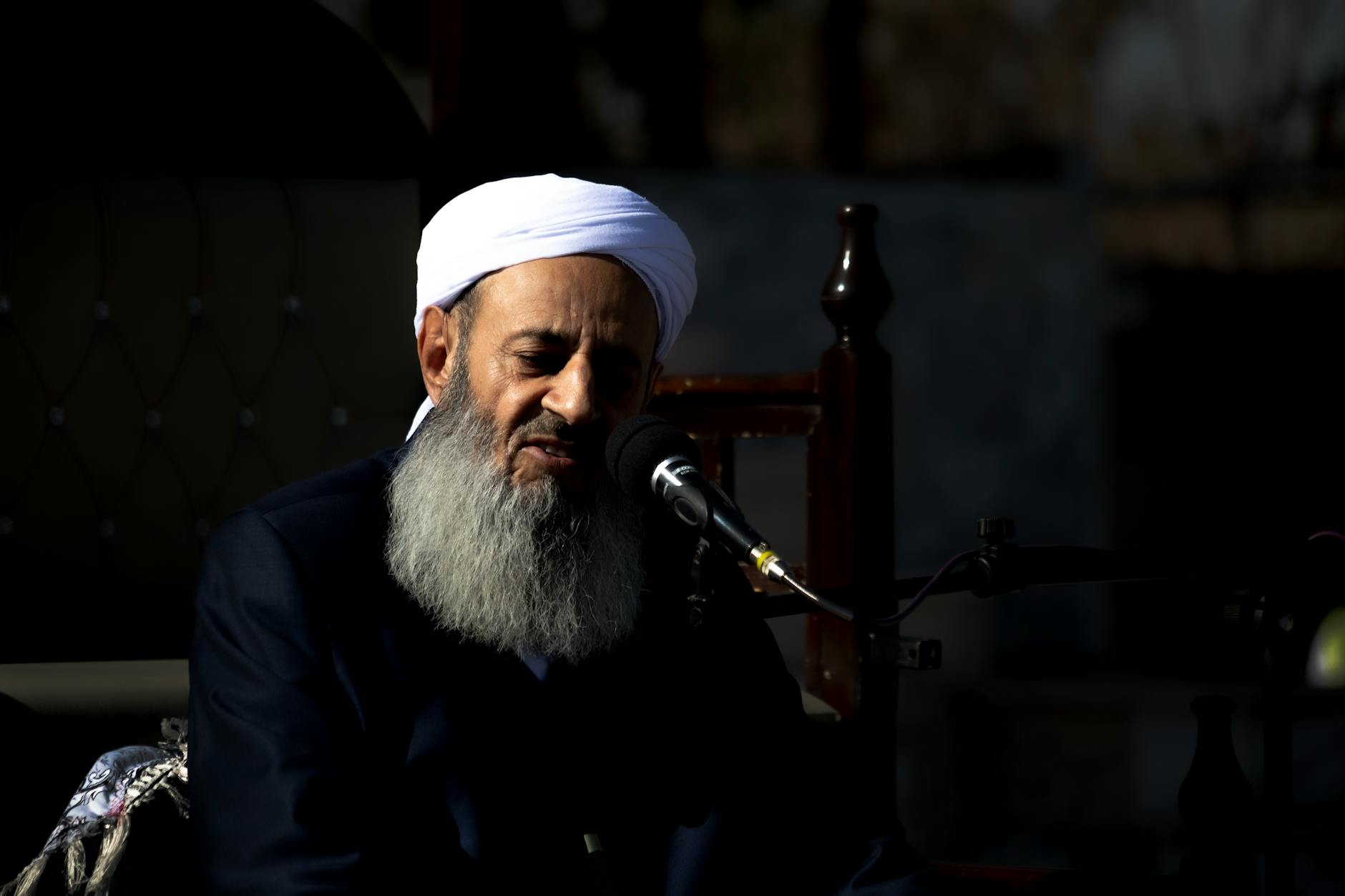
Mojtaba Khamenei, a son of Iran’s current Supreme Leader Ayatollah Ali Khamenei, has emerged as a profoundly significant figure within the Islamic Republic’s complex political and religious landscape. Born in Mashhad in 1969, his profile has risen dramatically amid ongoing speculation regarding the eventual succession to his elderly father. As discussions within Iran’s inner circles intensify about who might follow Ayatollah Ali Khamenei, Mojtaba Khamenei finds himself at the nexus of these critical deliberations, representing a potential continuity of influence within the ruling establishment. His ascent to prominence is not merely a matter of lineage but is underscored by a strategic accumulation of religious credentials and perceived political sway, positioning him as a leading contender for one of the most powerful roles in the Middle East. The “why” behind his increased visibility stems from both his personal background and the political dynamics at play in Tehran, where the future leadership remains a topic of intense interest and carefully guarded deliberation.
Mojtaba Khamenei’s journey began with a rigorous religious education, a prerequisite for any serious contender for the supreme leadership. He underwent extensive theological training in Qom, Iran’s spiritual heartland, studying under prominent clerics including his own father and Ayatollah Mohammad-Taqi Mesbah Yazdi, a highly influential conservative figure. This deep immersion in Shiite jurisprudence and theology has provided him with the necessary religious legitimacy that is crucial for a future Supreme Leader. Beyond his academic pursuits, Mojtaba Khamenei is widely believed to wield considerable influence within the Islamic Revolutionary Guard Corps (IRGC), the Basij volunteer militia, and various intelligence agencies. This alleged network of connections offers him a significant power base, distinct from the formal governmental structures, and has been instrumental in solidifying his position as a behind-the-scenes power broker. His perceived ability to mobilize support within these powerful institutions grants him a unique advantage in the tightly controlled political environment of Iran, making any discussion about succession incomplete without a thorough consideration of Mojtaba Khamenei.
The process of selecting a new Supreme Leader in Iran is entrusted to the Assembly of Experts, an 88-member body of high-ranking clerics elected by the public. However, the reality of this selection is often shrouded in secrecy and influenced by powerful factions and individuals within the clerical establishment. While the Assembly holds the constitutional authority, the intricate political maneuvering and behind-the-scenes lobbying are critical to the outcome. The public pronouncements and endorsements, or lack thereof, from key figures within the religious and political elite play a significant role. For Mojtaba Khamenei, securing the necessary support from these influential blocs will be paramount. His strong ties to conservative factions and his father’s long-standing network could provide a substantial foundation, but the consensus-building required for such a pivotal appointment is a complex and often unpredictable endeavor. The ultimate decision will reflect a delicate balance of religious authority, political expediency, and the perceived stability of the Islamic Republic under new leadership.
Mojtaba Khamenei represents a potential continuity of the current political and ideological trajectory of Iran. His conservative leanings and strong ties to the existing power structures suggest that, should he succeed, there may not be a radical departure from the policies and principles established by his father. However, the exact nature of his leadership would undoubtedly be shaped by the evolving regional and international dynamics, as well as the internal socio-political pressures within Iran. The scrutiny surrounding Mojtaba Khamenei is immense, given the gravity of the Supreme Leader’s role as the ultimate authority in both religious and state affairs. As Iran navigates its future, the question of who will eventually lead remains central, and the figure of Mojtaba Khamenei will continue to be a subject of intense observation and analysis. His potential succession is not just a change in leadership but a pivotal moment that could define the Islamic Republic for decades to come.
Image by: mohammad ramezani
https://www.pexels.com/@mohammadasbad