 11
11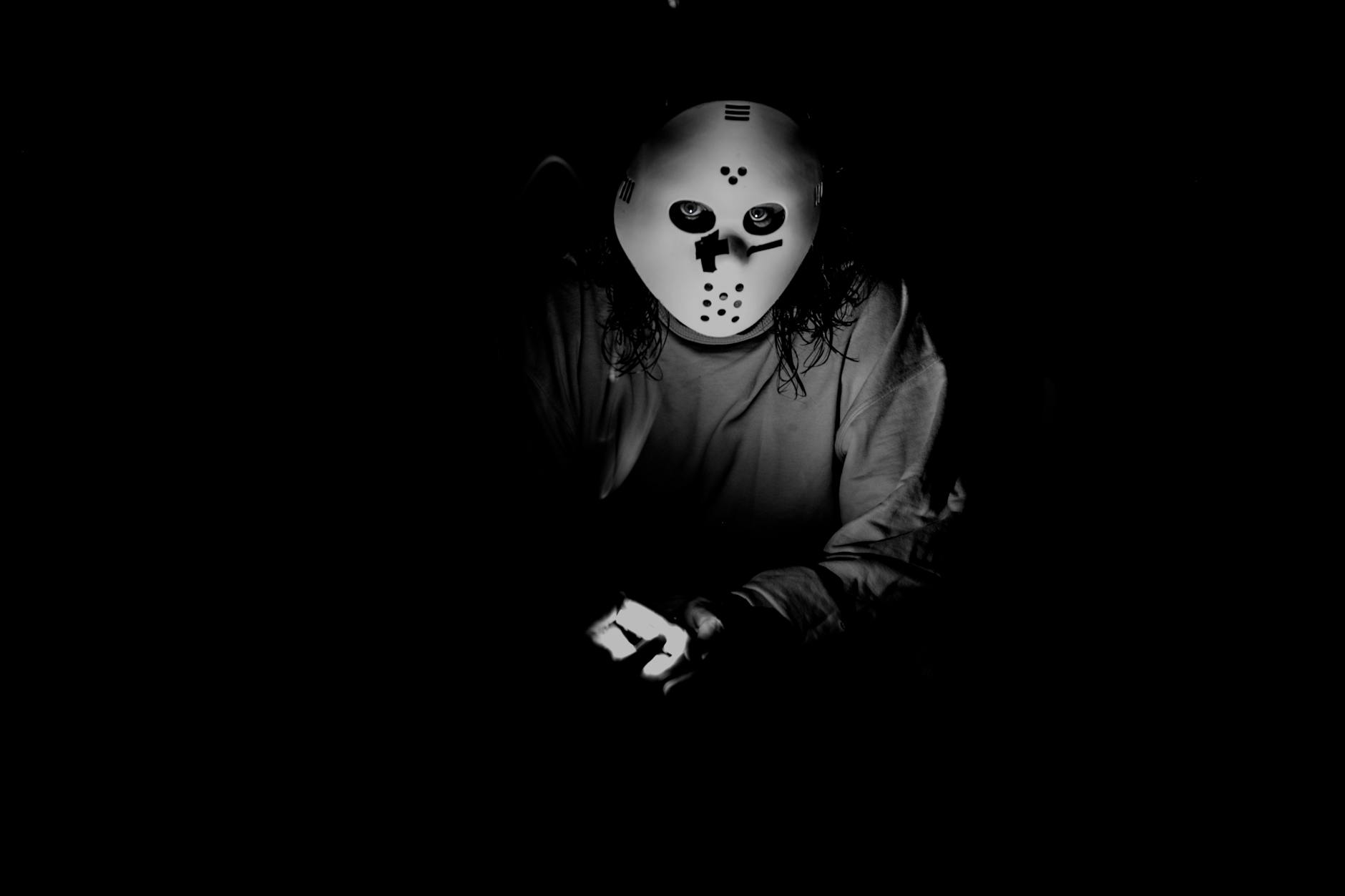
The “Scream” film series has captivated audiences for decades with its meta-commentary on horror tropes and, most notably, its iconic villain: Ghostface. This terrifying figure is not a singular entity but rather a chilling persona adopted by various individuals across the franchise. Since its inception in 1996, “Scream” has consistently challenged viewers to deduce who lies beneath the ominous mask, transforming the classic slasher narrative into a compelling whodunit mystery. Typically set in the fictional town of Woodsboro, California, or related locations, each installment of the “Scream” saga follows new characters as they become targets, and the identity of Ghostface is revealed in a dramatic conclusion. This comprehensive overview explores every killer who has donned the infamous costume, revealing their identities and motives, and detailing the lasting impact they have had on the horror genre. The enduring question of “who is Ghostface” remains a cornerstone of the franchise’s enduring appeal.
The original “Scream” (1996) introduced high school students Billy Loomis and Stu Macher as the first Ghostface killers. Billy, seeking revenge against Sidney Prescott’s mother, orchestrated the murders, with Stu as his psychotic accomplice. “Scream 2” (1997) revealed Mrs. Loomis, Billy’s mother, as the mastermind seeking retribution for her son’s death, aided by film student Mickey Altieri, who craved notoriety. “Scream 3” (2000) positioned Roman Bridger, Sidney’s half-brother, as the lone Ghostface, driven by bitterness and abandonment, having manipulated the original killings.
“Scream 4” (2011) featured Sidney’s cousin Jill Roberts and her friend Charlie Walker. Jill, consumed by jealousy and a desperate need for fame, aimed to become the “new Sidney,” with Charlie as her accomplice. The 2022 film “Scream” presented Amber Freeman and Richie Kirsch. These toxic fans of the in-universe “Stab” film series sought to create new material for a “requel” due to their dissatisfaction. Most recently, “Scream VI” (2023) unveiled an entire family of killers: Detective Wayne Bailey, his daughter Quinn Bailey, and his son Ethan Landry. Their collective motive was revenge for the death of Richie Kirsch, who was Wayne’s son and Quinn and Ethan’s brother, showcasing how the Ghostface mantle can be shared.
The individuals adopting the Ghostface persona are consistently driven by a complex tapestry of motives, reflecting deeper psychological currents within the “Scream” franchise. Revenge stands as a prominent catalyst, seen with Billy Loomis avenging his father’s affair, Mrs. Loomis retaliating for her son’s demise, and Detective Bailey’s family seeking vengeance for Richie Kirsch. These instances highlight how deeply personal grievances fuel some of the most brutal attacks. Another significant drive is the twisted desire for fame and recognition. Jill Roberts’s desperate ambition to surpass Sidney Prescott and become a modern-day survivor icon, along with Mickey Altieri’s yearning to be caught to stand trial, exemplify this motive, showing how the pursuit of notoriety often blinds these killers.
Furthermore, an intense obsession with horror films themselves frequently plays a crucial role. Stu Macher’s enjoyment of the carnage, Charlie Walker’s analytical approach to horror film rules, and the “Stab” franchise fanaticism of Richie Kirsch and Amber Freeman underscore how fictional violence can inspire real-world horrors. These killers are often performing violence, meticulously adhering to or subverting horror movie tropes. Roman Bridger’s motivation, rooted in abandonment and a desire to orchestrate his own narrative, combines elements of revenge and a warped sense of control over his life and Sidney’s. The varied psychological profiles of each Ghostface contribute significantly to the series’ enduring appeal.
The “Scream” franchise has masterfully sustained its legacy by ensuring that the identity of Ghostface remains a central and ever-evolving mystery. Far from being a single, static villain, Ghostface represents a chilling embodiment of human darkness, driven by a spectrum of motives from revenge and jealousy to a morbid fascination with horror itself. Each new killer brings a unique perspective to the iconic mask, preventing the series from becoming formulaic and consistently delivering fresh scares and narrative twists. This exploration of varied identities and intricate justifications continues to be a cornerstone of the franchise’s enduring success.
Image by: Rodolpho Zanardo
https://www.pexels.com/@rodolphozanardo