 11
11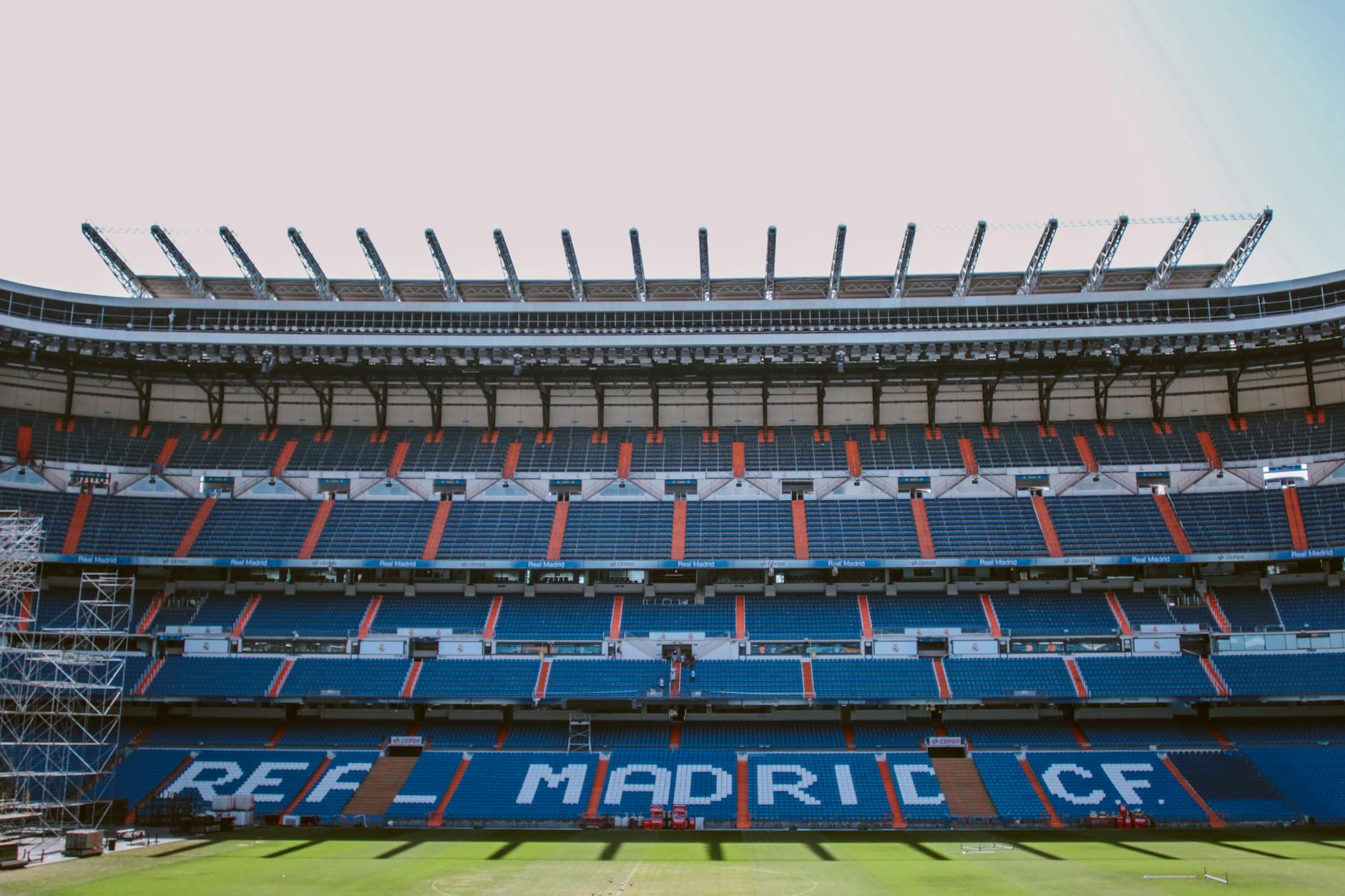
Speculation is once again rife regarding the potential Mourinho return to Real Madrid, a scenario that frequently captures the attention of the football world. José Mourinho, a figure synonymous with strong personalities and tactical prowess, is consistently linked with top managerial positions, and his past association with the Santiago Bernabéu club makes any suggestion of a second tenure particularly intriguing. This discussion resurfaces periodically, driven by the dynamic nature of top-tier football management and the enduring legacy of his previous spell in the Spanish capital.
The question of whether Mourinho could once again take the helm at Real Madrid arises from various factors, including the club’s perpetual pursuit of silverware and the high-pressure environment that often leads to managerial changes. Fans and pundits alike are contemplating the merits and drawbacks of such a move, weighing his proven track record against the challenges that might accompany a second stint. The conversation surrounding José Mourinho’s return to Real Madrid is not merely a hypothetical exercise but a reflection of the intense scrutiny and high expectations that define one of the world’s most prominent football institutions.
José Mourinho’s initial tenure at Real Madrid, from 2010 to 2013, was undeniably impactful. During this period, he successfully broke Barcelona’s domestic dominance, securing a La Liga title with a record 100 points and a Copa del Rey. His teams were characterized by their formidable defensive organization, rapid counter-attacks, and a fierce winning mentality that often translated into significant results against tough opposition. For many supporters, Mourinho brought a necessary intensity and a defiant attitude that resonated deeply within the club’s culture. His ability to rally a squad and instill a belief in victory, even against seemingly insurmountable odds, remains a significant part of his managerial appeal. The prospect of a Mourinho return to Real Madrid is often considered by those who recall these successes, advocating for his proven track record in delivering immediate silverware and handling the unique pressures of the Bernabéu.
While the allure of a Mourinho return to Real Madrid is clear, a second stint would undoubtedly present its own set of complexities and challenges. His departure in 2013, despite the domestic success, was marked by reported internal conflicts, dressing room divisions, and a perceived breakdown in relationships with key players and club hierarchy. The intense pressure cooker environment he often creates can be highly effective in the short term but has, at times, proven unsustainable over extended periods. Modern football has also seen significant tactical evolution since his last departure from Madrid, with new trends and philosophies emerging. While Mourinho is known for his adaptability, questions may arise about how his proven methods would integrate with the current squad and the evolving demands of the game. The club’s long-term vision would also need to be reconciled with a manager often associated with immediate impact rather than extended developmental phases. Any decision regarding José Mourinho’s potential return to Real Madrid would necessitate a thorough assessment of whether the potential benefits outweigh the risks of repeating past issues. Ultimately, Real Madrid’s consistent pursuit of excellence means any managerial appointment, especially one involving a returning figure like Mourinho, is always subject to intense scrutiny and high expectations for both on-field performance and overall club harmony.
Image by: Luis Quintero
https://www.pexels.com/@jibarofoto