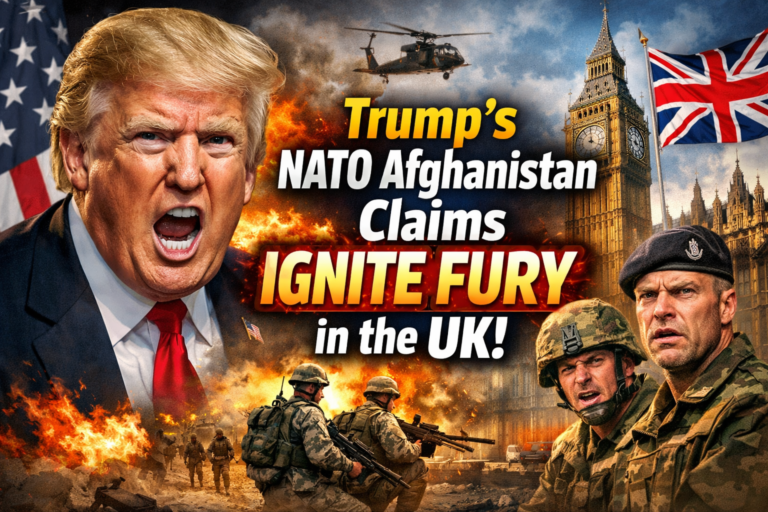
Prince Harry, a veteran himself with two tours of duty in Afghanistan, recently underscored a profound truth that resonates deeply with military families and citizens worldwide: the immense sacrifices made by NATO troops in Afghanistan deserve unwavering respect. His words, coming from someone who has firsthand experience of the theatre of conflict, carry significant weight, reminding us of the extraordinary courage and selflessness displayed by service members from various nations. For over two decades, countless individuals dedicated themselves to a mission fraught with peril, facing immense challenges in a harsh and unforgiving environment. These brave men and women left behind their loved ones, their comfort, and often, parts of themselves, to answer the call of duty. Their sacrifice wasn’t merely about physical deployment; it encompassed the daily psychological burden, the constant threat, and the emotional toll of witnessing and enduring the brutal realities of war. Each lost life, each sustained injury – visible or invisible – represents a profound cost paid not just by the individual, but by their families and communities. Harry’s powerful statement serves as a vital call to remember and honor these fundamental contributions, urging us never to forget the ultimate price many paid in the service of their countries and a shared international effort. It’s a poignant reminder that while political landscapes shift and public attention wanes, the bravery and commitment of those on the front lines remain an enduring testament to human resilience and duty. The magnitude of their service in the arduous Afghanistan conflict cannot be overstated, forming a crucial part of our collective history that demands ongoing recognition and reverence.
Beyond the immediate danger and tragic losses, the profound sacrifices made by NATO troops in Afghanistan extend far into the future, impacting veterans long after they return home. Many carry the invisible wounds of conflict – severe mental health struggles like PTSD, anxiety, and depression – which require ongoing understanding, dedicated support, and robust resources. Prince Harry’s emphasis on “respect” isn’t just about acknowledging past deeds; it’s a heartfelt plea for continued, comprehensive care, for a society that actively supports its veterans in their often-difficult transition back to civilian life, ensuring they receive the holistic assistance they so rightly deserve. The global community owes a debt of gratitude that transcends simple recognition, demanding tangible actions to support the physical and psychological well-being of all who served in this protracted military campaign. Their willingness to put their lives on the line for a cause they believed in, facing complex geopolitical challenges, speaks volumes about their character and unwavering dedication. Therefore, when Harry highlights the crucial need for respect for these NATO heroes, he encapsulates a broader message: one of profound appreciation for their indelible mark on history, their unwavering commitment to difficult missions, and the enduring legacy of their selfless service. It’s about fostering a culture of gratitude that ensures future generations understand the true cost of freedom and the immense personal commitment involved in military service, ensuring these valiant efforts and their profound sacrifices are never forgotten and always honored. This ongoing respect is vital for supporting our heroes.
About the Author