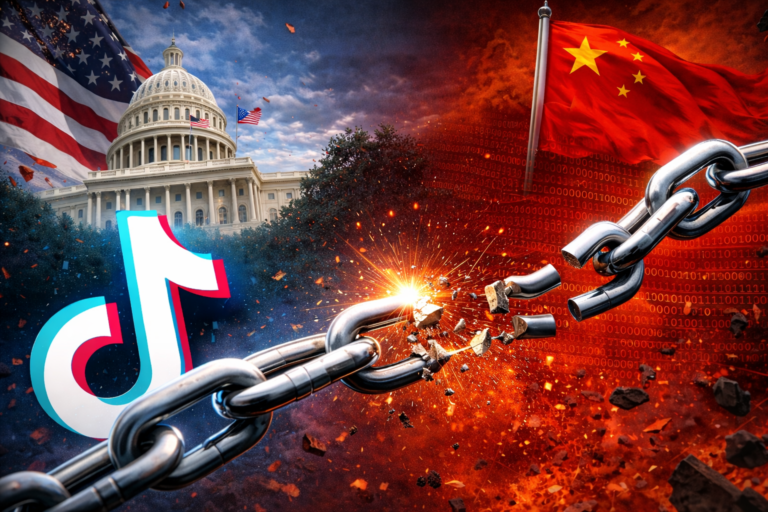
The digital landscape has been buzzing for some time with mounting concerns surrounding TikTok, the incredibly popular short-form video app, and its ownership by Chinese company ByteDance. For years, U.S. officials and privacy advocates alike voiced significant worries over the potential for the Chinese government to access American user data or influence the platform’s powerful content algorithms. This intense scrutiny reached a fever pitch, pushing TikTok to the brink of a potential ban in the United States. In a monumental effort to assuage these national security fears and safeguard its colossal U.S. market, TikTok has reportedly struck a deal to establish a new, independent U.S. entity. This ambitious initiative, often referred to as “Project Texas,” aims to fundamentally restructure the app’s U.S. operations, severing direct ties to its Chinese parent company and placing American user data under the direct supervision of U.S.-based personnel and systems. Oracle, a prominent American tech giant, is slated to play a pivotal role in this new arrangement, primarily responsible for hosting all U.S. user data on its cloud infrastructure, thereby creating a robust firewall between American data and ByteDance’s servers. This strategic move is not merely a corporate reshuffle; it represents a profound attempt to address the core geopolitical and data privacy issues that have cast a long shadow over the app’s future in one of its most lucrative markets. The stakes are incredibly high, as the success of this deal could set a precedent for how global technology companies navigate the complex terrain of international data governance and national security interests.
This groundbreaking agreement promises a significant overhaul of TikTok’s operational framework within the United States, moving far beyond mere data localization. Under the proposed terms of Project Texas, the new U.S. entity would gain substantial autonomy, including independent oversight of content moderation decisions, ensuring that the platform’s powerful algorithms are free from foreign influence and align with American values and laws. This shift aims to build greater transparency and accountability, crucial elements for restoring public trust and easing governmental anxieties regarding potential propaganda or censorship. A dedicated security team composed entirely of U.S. citizens would manage the platform’s U.S. operations, further reinforcing the commitment to national security. The creation of an independent board, likely with government-approved members, is also on the table, tasked with overseeing the new entity’s adherence to the agreed-upon security protocols and operational independence. While the specifics of this complex deal are still being finalized and subject to ongoing governmental review, the overarching goal is clear: to create an impregnable barrier around U.S. user data and operations, making it virtually impossible for foreign governments to access sensitive information or manipulate content. The implications extend beyond TikTok itself, offering a potential blueprint for other multinational technology companies grappling with similar geopolitical pressures. This bold maneuver by TikTok could well redefine the parameters of digital sovereignty and cross-border data flows, demonstrating a serious commitment to navigating a rapidly evolving global regulatory environment and securing its long-term presence in a critical market.
About the Author