 11
11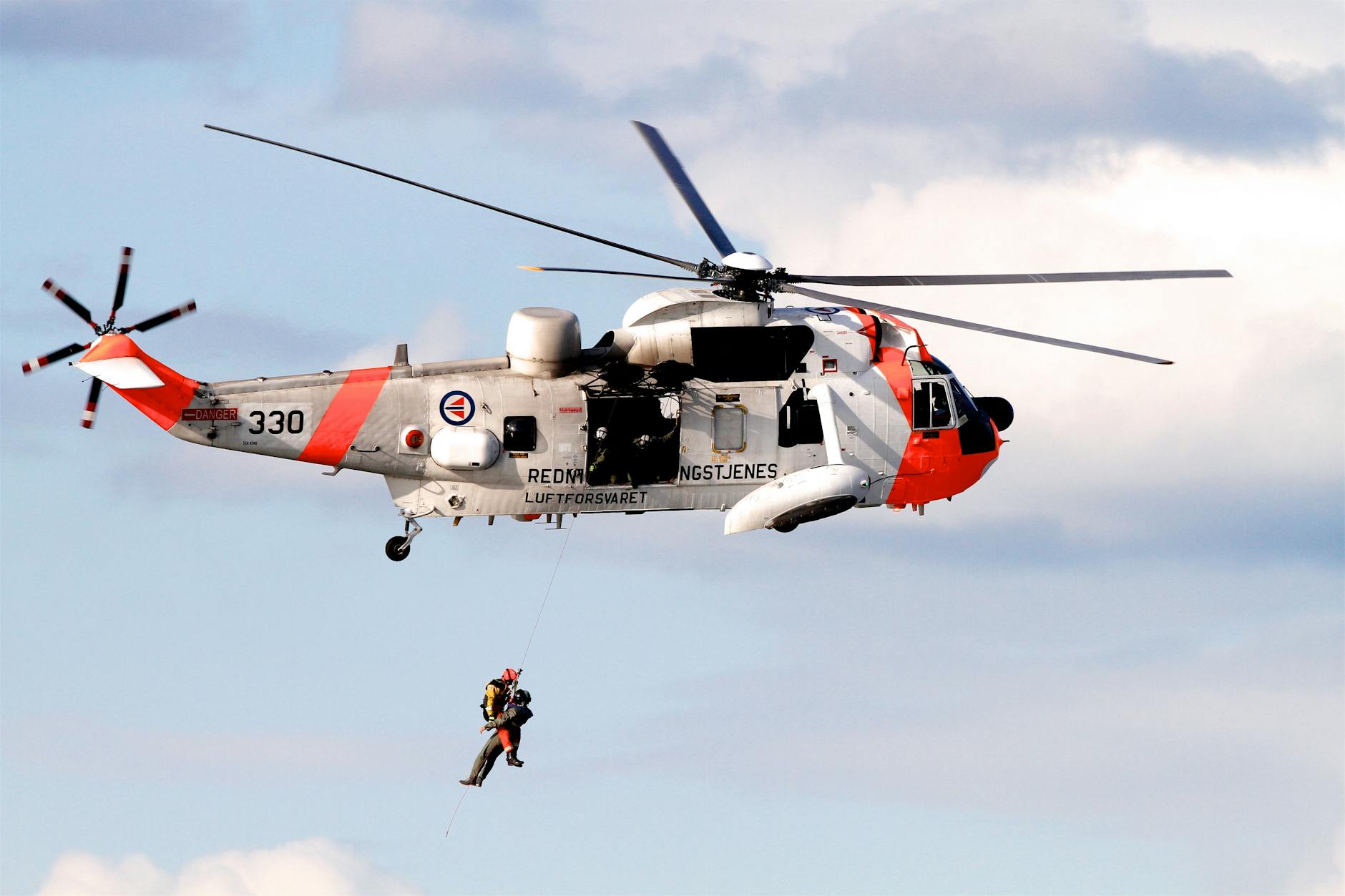
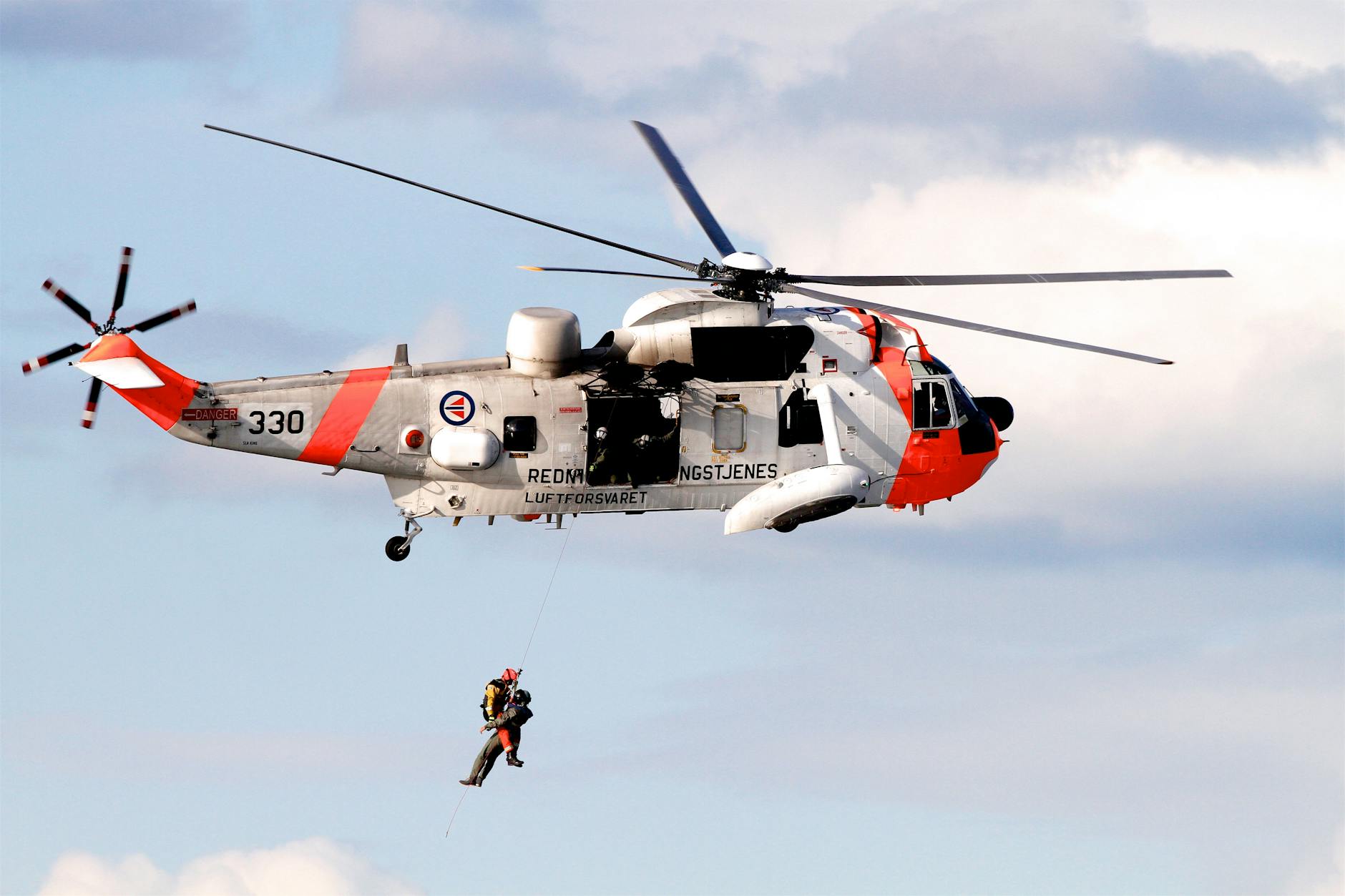
A highly complex and sensitive operation recently unfolded in a remote, mountainous region of Iran, culminating in the successful recovery of a United States airman following an unspecified aviation incident. The mission, shrouded in the necessary secrecy demanded by its location and geopolitical implications, required meticulous planning and flawless execution to ensure the safety of the individual involved and avoid escalating regional tensions. The swift response underscored international commitments to personnel recovery, even under the most challenging circumstances.
The incident, which saw a US airman require emergency assistance deep within Iranian territory, immediately triggered a sophisticated response mechanism. Details surrounding the airman’s initial predicament remain officially guarded, but sources close to the operation suggest it was an unforeseen technical malfunction that necessitated an emergency landing in an isolated area. The primary objective was clear: locate, secure, and extract the stranded individual with the utmost discretion and efficiency, making the US airman rescue a top priority.
The decision to launch a US airman rescue into a country with which diplomatic relations are strained presented an array of formidable challenges. The chosen operational zone was characterized by rugged, inhospitable terrain, far from established infrastructure, which compounded the logistical difficulties. Furthermore, navigating the airspace and ground within Iran without drawing undue attention or provoking a confrontation demanded exceptional skill and careful coordination. Intelligence gathering became paramount, focusing on local patrols, communication networks, and environmental factors that could impact the rescue team’s movements. Specialized teams, trained for high-risk extractions in hostile environments, were mobilized. Their preparation included detailed studies of the region’s topography, climate, and potential hazards, ensuring every contingency was addressed. The precise timing of the mission was critical, leveraging periods of reduced visibility and activity to enhance stealth.
Ground elements faced arduous treks over uneven ground, often under cover of darkness, carrying specialized equipment for medical support, communication, and self-defense. Air support, while limited to maintain a low profile, played a crucial role in initial reconnaissance and, eventually, in the extraction phase. The coordination between various assets, both overt and covert, had to be seamless, with communication protocols designed to minimize detection while ensuring real-time updates to command centers. The inherent risks of such an undertaking were immense, underscoring the professionalism and dedication of all personnel involved.
After days of intense effort and strategic maneuvering, the rescue teams successfully located the stranded US airman. The airman was found to be in stable condition, albeit requiring immediate medical assessment due to exposure and the stresses of the situation. The recovery phase was executed with precision, ensuring the airman’s swift and safe transfer from the remote landing site. Medical personnel, integrated into the extraction team, provided critical care on site before the final egress. The successful exfiltration represented a triumph of specialized training and inter-agency cooperation. The entire US airman rescue operation, from the initial distress signal to the airman’s safe return to a secure location, showcased the unwavering commitment to protecting service members globally. This high-stakes mission will undoubtedly serve as a case study for future complex recovery operations in challenging international environments, highlighting the intricate balance between national security interests and humanitarian obligations.
Image by: Inge Wallumrød
https://www.pexels.com/@ingewallu