 11
11
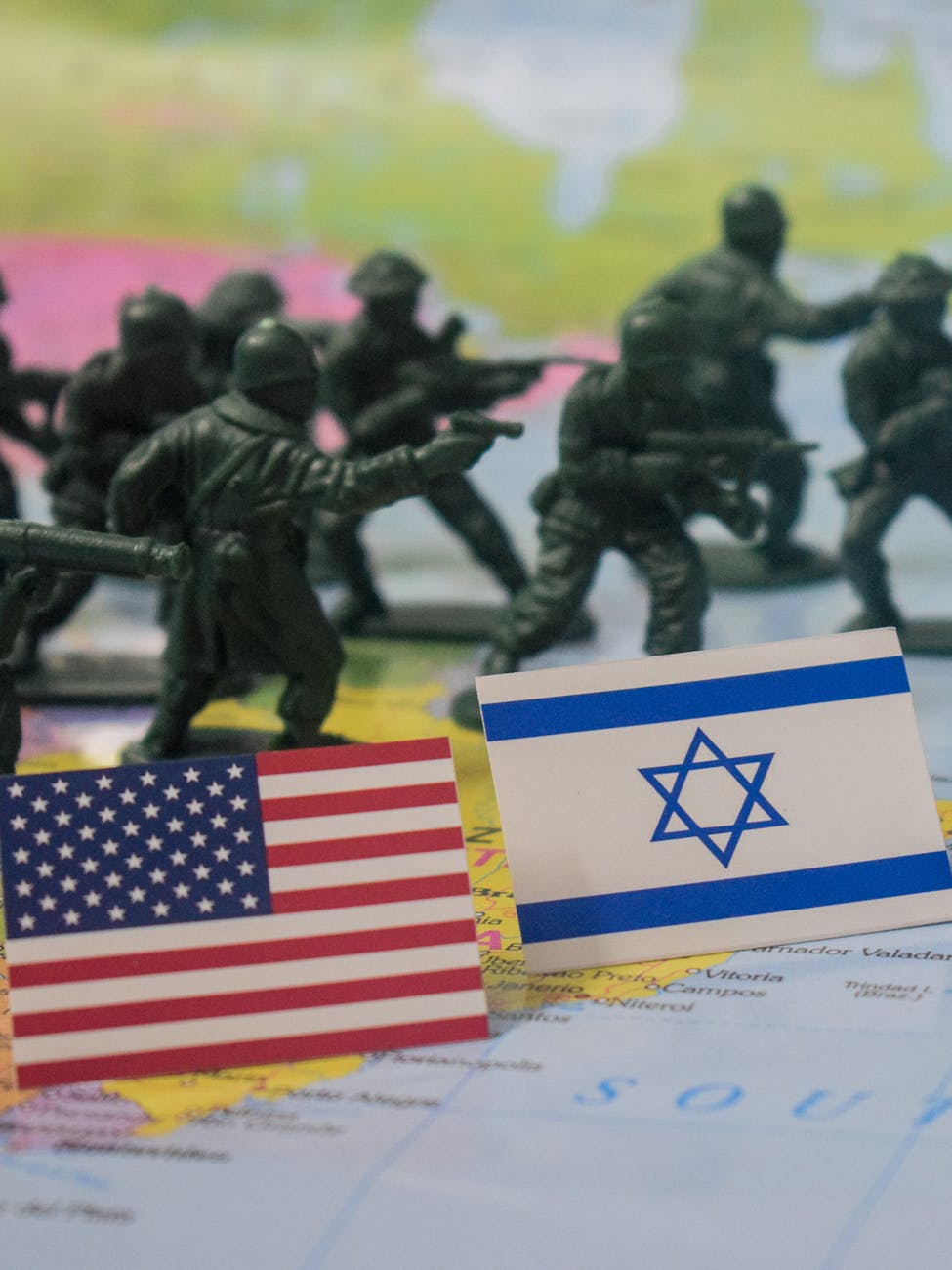
Former President Donald Trump’s administration adopted a distinct approach to its dealings with the Islamic Republic of Iran, characterized by the simultaneous pursuit of two “off-ramps.” This complex **Iran strategy** emerged as a cornerstone of U.S. foreign policy during his tenure, aimed at addressing what Washington perceived as Iran’s destabilizing activities across the Middle East. The policy sought to exert significant pressure on Tehran while, paradoxically, maintaining an openness to dialogue, albeit under strict conditions, in an effort to de-escalate long-standing tensions and prevent direct conflict.
The rationale behind this dual approach was multifaceted. It aimed to compel Iran to fundamentally alter its behavior regarding its nuclear program, its development of ballistic missiles, and its support for various proxy groups in the region. By simultaneously applying intense economic and diplomatic pressure, the U.S. sought to weaken Iran’s capacity and will to pursue these activities. Concurrently, the provision of potential “off-ramps” was designed to offer Iran a pathway to de-escalation and negotiation, should it choose to comply with U.S. demands. This intricate **Iran strategy** therefore attempted to achieve U.S. objectives through a delicate balance of coercion and potential diplomatic engagement.
The first pillar of this **Iran strategy** was undeniably maximum pressure. Following the U.S. withdrawal from the Joint Comprehensive Plan of Action (JCPOA) in May 2018, the Trump administration swiftly reimposed and escalated a comprehensive suite of economic sanctions against Iran. These sanctions targeted key sectors of the Iranian economy, including oil exports, banking, and shipping, aiming to severely restrict Tehran’s access to international markets and revenue streams. The objective was to create sufficient economic pain to force Iran to the negotiating table on U.S. terms, leading to a “better deal” that would address a broader range of concerns than the JCPOA.
Beyond economic measures, the pressure campaign also involved military posturing and deterrence. The U.S. increased its military presence in the Persian Gulf region at various times, sending clear signals of its readiness to respond to any Iranian aggression. This combination of economic strangulation and credible military threat was central to the administration’s efforts to contain Iran and compel a change in its strategic calculus, effectively closing off avenues for its current problematic behaviors while opening paths for a new course.
Despite the intense pressure, the second “off-ramp” involved a persistent, though often conditional, openness to diplomacy. Throughout periods of heightened tension, including incidents such as attacks on oil tankers in the Gulf and the downing of a U.S. drone, the Trump administration consistently signaled its willingness to engage in direct talks with Iranian leadership. This was not an unconditional offer; rather, it was predicated on Iran demonstrating a willingness to negotiate on a new, more comprehensive agreement that addressed U.S. concerns beyond just its nuclear program. This aspect of the **Iran strategy** aimed to provide a face-saving way out for Iran, should it decide that the costs of continued confrontation outweighed the benefits.
However, this diplomatic overture often faced skepticism, both from within Iran and from international observers, who questioned the sincerity of the offer amidst the overwhelming pressure. While no major breakthrough in direct negotiations occurred, the consistent articulation of this diplomatic pathway highlighted the administration’s intent to ultimately achieve a negotiated solution rather than outright conflict. This intricate balancing act sought to keep lines of communication, however indirect, potentially open.
The implementation of this two-pronged **Iran strategy** yielded mixed results. While Iran’s economy undoubtedly suffered under the weight of sanctions, its response was often defiant, including gradually scaling back its commitments under the JCPOA and engaging in regional proxy activities. Tensions in the Persian Gulf certainly escalated at various points, bringing the U.S. and Iran to the brink of conflict on more than one occasion. Yet, a full-scale war was ultimately averted, suggesting that the “off-ramps,” however precarious, played a role in preventing complete breakdown.
In conclusion, the Trump administration’s approach to Iran represented a significant departure from previous U.S. foreign policy strategies, emphasizing both maximal pressure and conditional dialogue. This complex **Iran strategy** was designed to offer pathways to resolution while simultaneously maintaining substantial leverage over Tehran. Its long-term effectiveness and lessons for future diplomatic engagements with adversarial nations remain subjects of ongoing debate among foreign policy analysts and historians.
Image by: Werner Pfennig
https://www.pexels.com/@werner-pfennig