 11
11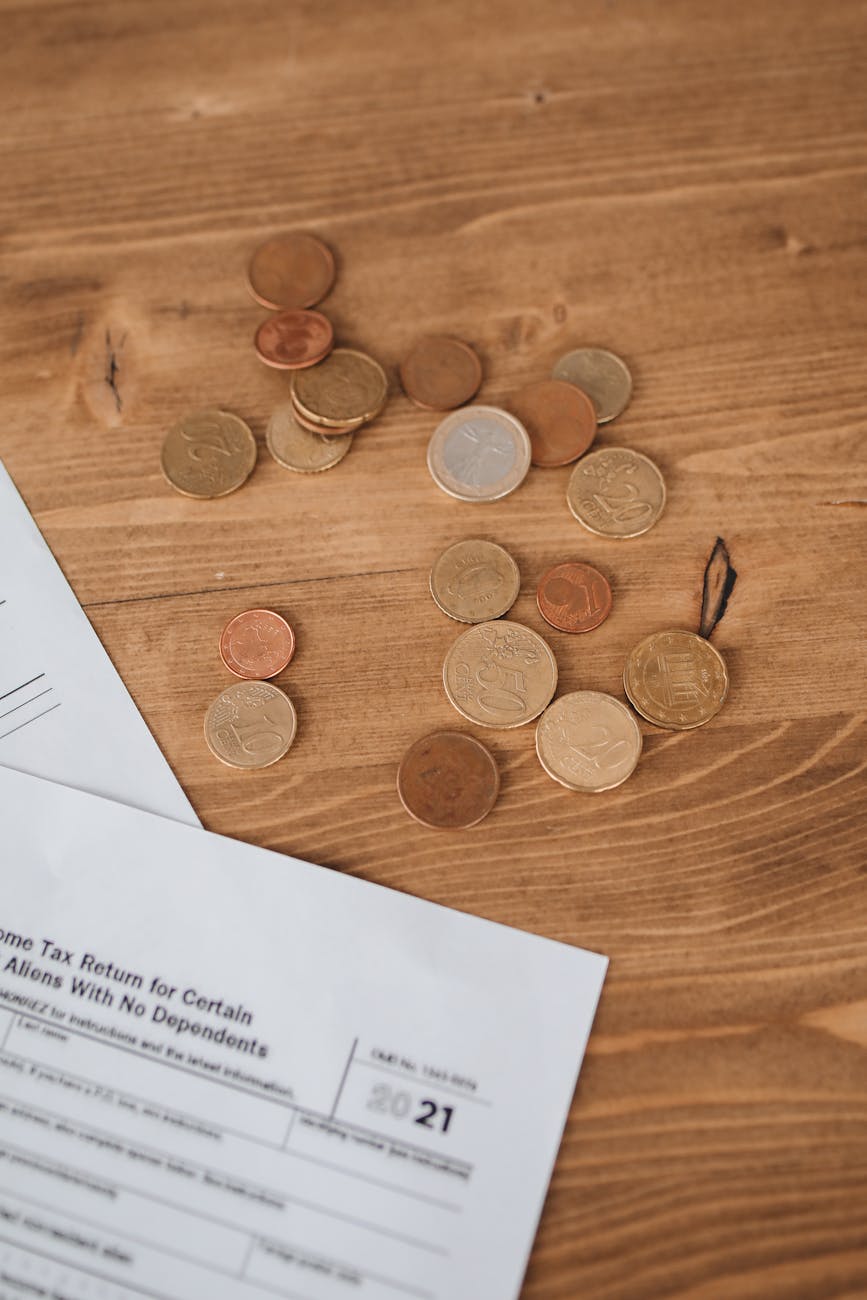
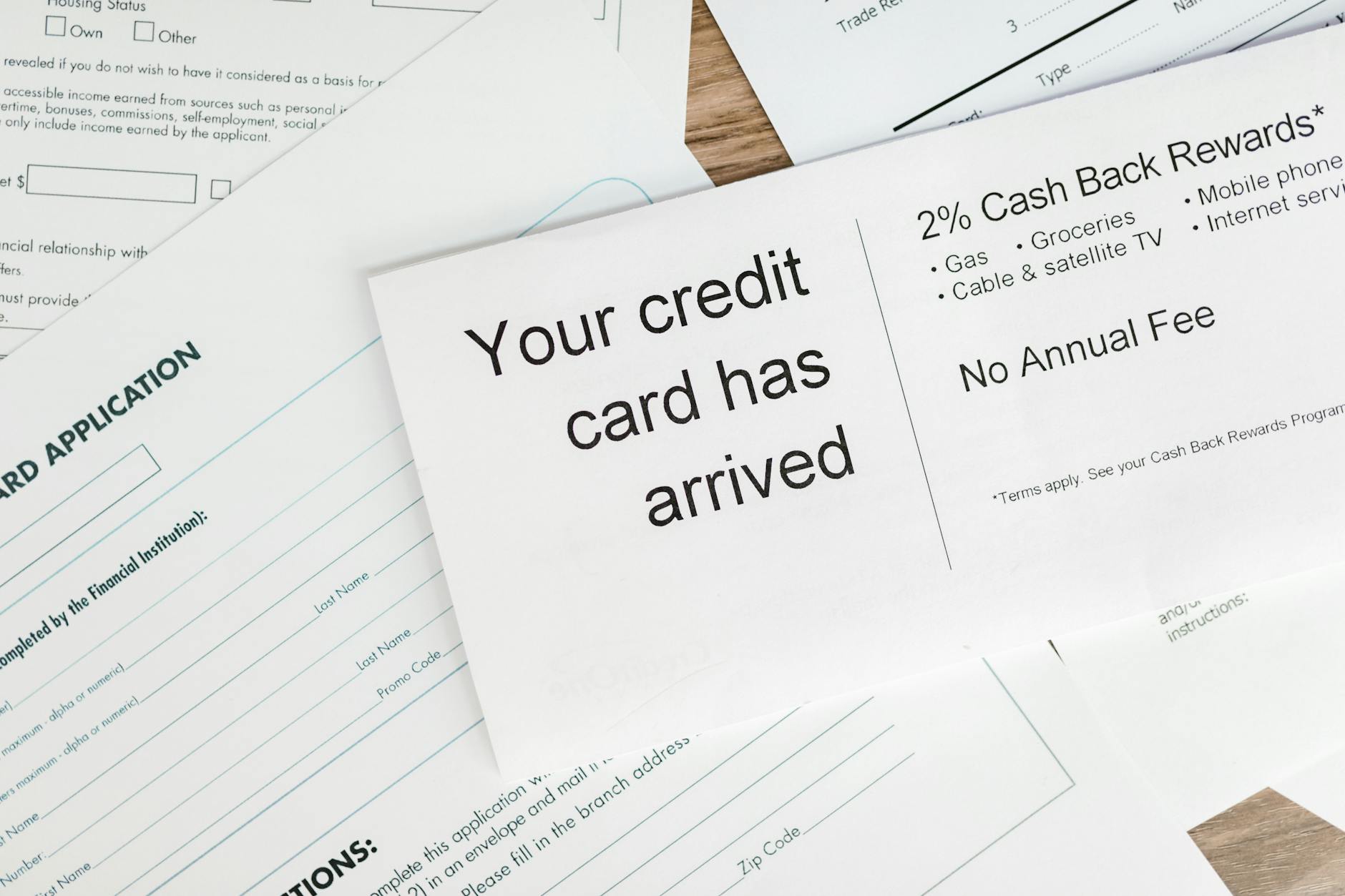
The current tax season has brought unwelcome news for many taxpayers across the United States, as several states are experiencing notable tax refund delays. This situation, impacting various jurisdictions, stems primarily from enhanced security protocols aimed at combating fraud and ensuring the integrity of tax systems. While designed to protect taxpayers, these robust measures inevitably lead to extended processing times. Taxpayers awaiting their refunds are urged to stay informed through official channels and exercise patience.
The delays have become a point of concern for individuals relying on their refunds and affect a diverse range of states. The primary reason behind these extended waiting periods is a concerted effort by state tax authorities to implement more stringent fraud detection systems. This involves meticulous review of submitted returns, particularly those with certain credits or characteristics that historically have been targets for fraudulent claims. Consequently, what might have once been a straightforward processing period now includes additional layers of scrutiny, contributing to longer turnaround times for issuing refunds.
State tax departments are on the front lines of protecting taxpayer funds and personal information. In response to a persistent rise in sophisticated fraudulent schemes, these agencies have significantly bolstered their cybersecurity and verification protocols. This commitment to security is the principal factor contributing to the widespread tax refund delays observed this season. Each return undergoes a comprehensive review, a process that, while vital, requires more time. For instance, returns claiming credits such as the Earned Income Tax Credit (EITC) or specific state-level deductions might be subject to additional verification to prevent fraudulent claims.
These enhanced security measures are not arbitrary inconveniences but a necessary shield against the significant financial and personal damage caused by tax-related identity theft. When a fraudulent return is filed using an individual’s identity, it can lead to severe complications. The additional time spent verifying authenticity serves a critical function in safeguarding the financial well-being of residents and the fiscal integrity of the state. Furthermore, high filing volumes, combined with potential system updates within state departments, can also contribute to extended processing periods, exacerbating the delays.
For taxpayers awaiting their refunds, understanding how to navigate these delays is crucial. The most reliable method to track the status of a state refund is to utilize the official “Where’s My Refund” tool on the respective state’s department of revenue or taxation website. These online portals are updated regularly and offer the most accurate information. Taxpayers should avoid calling state tax departments prematurely, as call centers are often overwhelmed, and online tools provide similar information.
It is equally important to remain vigilant against potential scams. The period of tax refund delays is often exploited by criminals attempting to trick individuals into divulging sensitive personal information. Official state tax departments will rarely contact taxpayers via unsolicited email or phone calls requesting personal details to “expedite” a refund. Any such contact should be treated with extreme caution. Keeping accurate and complete records of all submitted tax documents is always a best practice, proving invaluable if further verification is required or if a taxpayer needs to consult a qualified tax professional.
In conclusion, while the experience of unexpected tax refund delays can be frustrating, it is a consequence of vital efforts by state tax authorities to protect against fraud and maintain secure tax systems. By utilizing official resources for status updates, exercising caution against scams, and maintaining thorough records, taxpayers can navigate this challenging period effectively. Patience and vigilance remain key.
Image by: Polina Tankilevitch
https://www.pexels.com/@polina-tankilevitch